
Australia’s Premium Coastal Living: 12 Markets Above $1.5 Million
For overseas buyers with higher budgets, Australia’s premium coastal markets offer a particular combination that is difficult to replicate elsewhere: proximity to major global cities paired with everyday access to beaches, harbourfronts and established neighbourhood amenity. The twelve areas highlighted here sit above the $1.5 million price point and represent some of the country’s most tightly held coastal and near-harbour housing markets.
While these locations span Perth, Melbourne and Sydney, they share a common structural feature: demand is driven less by short-term affordability and more by lifestyle quality, access to employment centres, and long-term ownership appeal. As a result, market conditions in these areas tend to be shaped by supply constraints rather than fluctuations in buyer sentiment.
In Melbourne, Port Phillip and Bayside illustrate how coastal living can sit within minutes of a major CBD. Port Phillip, just three kilometres from the city, combines bayside suburbs such as St Kilda, Elwood and Albert Park with tram access, café precincts and direct links into Melbourne’s employment core. Bayside, slightly further south, offers quieter residential streets, well-known swimming beaches and a strong emphasis on schools and village-style retail. Stock levels across both markets are moderate rather than excessive, reflecting their tightly held nature rather than speculative turnover.
Sydney’s coastal and harbour markets dominate the higher end of this list. Kogarah – Rockdale sits along Botany Bay and the Georges River, providing beach access alongside rail connections into the city. It offers a more mixed urban character than Sydney’s eastern suburbs, but benefits from relative proximity to the CBD without the density of inner-city living.
Further south, Cronulla – Miranda – Caringbah remains one of Sydney’s most distinctive coastal markets. Here, ocean beaches, river access and a strong local community underpin long-term appeal. Despite higher prices, stock levels are not extreme, and activity tends to be driven by owner-occupiers rather than short-term market participants. Botany, closer to the city, offers a different proposition again, blending proximity to beaches with access to employment hubs around the airport and inner south.
Sydney’s northern and eastern coastal belts represent the most premium segment of this group. Warringah and Manly provide classic Northern Beaches living, where surf beaches, harbour access and bushland sit within commuting distance of the CBD. These markets are characterised by very limited housing supply, which places a natural cap on turnover and helps explain why competition can remain elevated even when broader market conditions soften.
Closer to the harbour, North Sydney – Mosman, Eastern Suburbs – North and Eastern Suburbs – South represent some of Australia’s most internationally recognisable residential addresses. These areas combine harbour views, coastal walks, private schools and direct access to Sydney’s commercial core. Housing supply is structurally constrained, and buying opportunities are often driven by life-stage transitions rather than market timing.
Perth’s premium coastal offering is represented by Cottesloe – Claremont, where ocean beaches, riverfront suburbs and proximity to the CBD converge. While prices here sit below Sydney’s harbour markets, the lifestyle proposition is comparable, and stock levels are currently higher than in many eastern states equivalents. This provides buyers with more choice without materially changing the long-term appeal of the area.
Across all twelve markets, rental conditions remain tight, reflecting strong demand for high-quality housing close to the coast and major employment centres. For overseas buyers, renting is often still a practical first step, not because it is inexpensive, but because it allows households to experience daily life, commuting patterns and neighbourhood character before committing to ownership.
The defining feature of these markets is not short-term price movement, but durability. Proximity to the city, access to beaches and established amenity continue to shape demand, regardless of broader cycles. For wealthier overseas buyers, understanding how supply, lifestyle and location interact is far more important than trying to time the market.
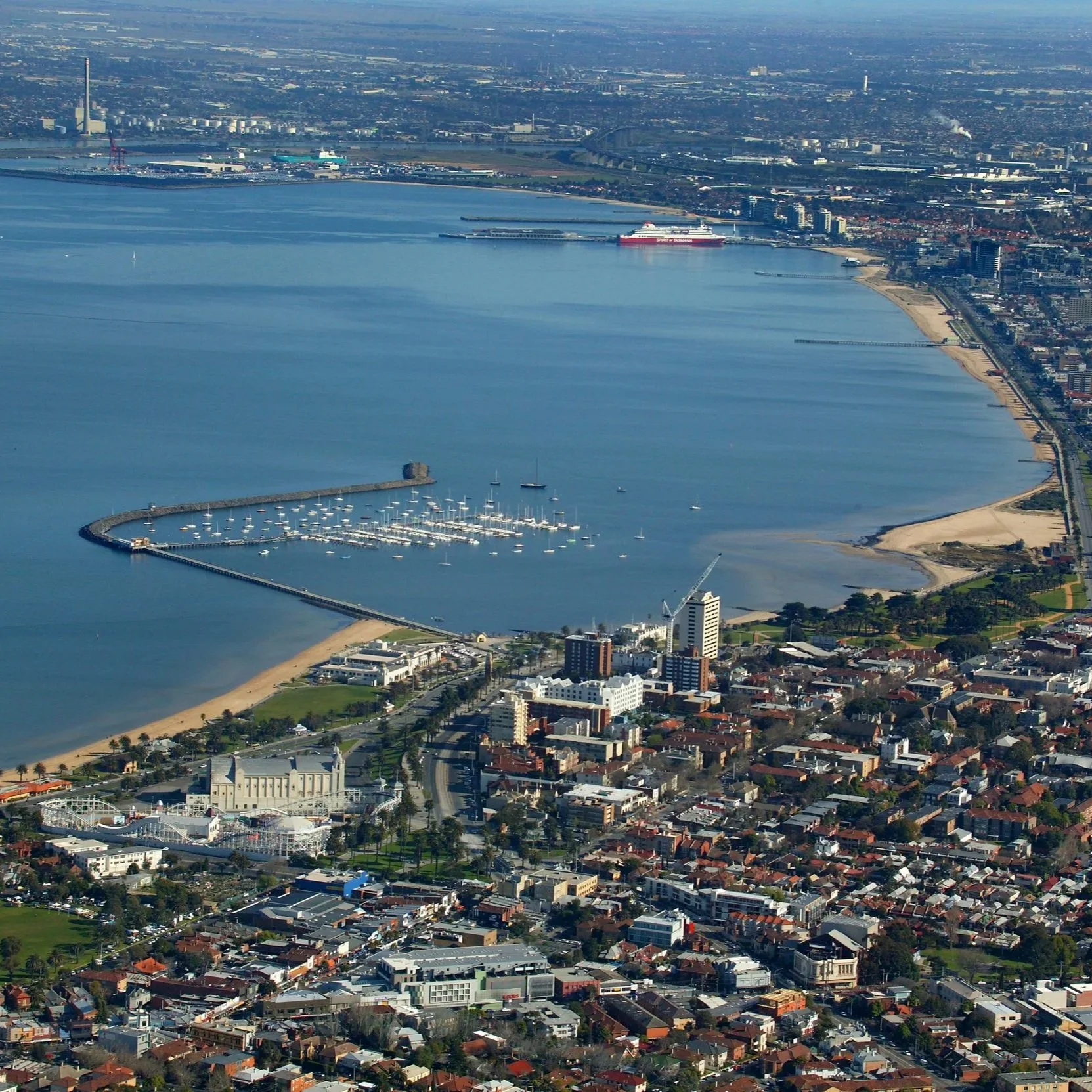
Port Phillip | Greater Melbourne
Port Phillip sits immediately south of Melbourne’s CBD and offers one of the rare combinations of inner-city access and bayside living. Suburbs such as Albert Park, Elwood and St Kilda provide calm swimming beaches, established café strips and tram links straight into the city’s employment core. Lifestyle here is defined by walkability, coastal paths and proximity to cultural precincts. Housing supply is limited, reflecting the area’s maturity rather than short-term turnover. Rental demand remains steady, largely driven by professionals seeking proximity to both the beach and the city.
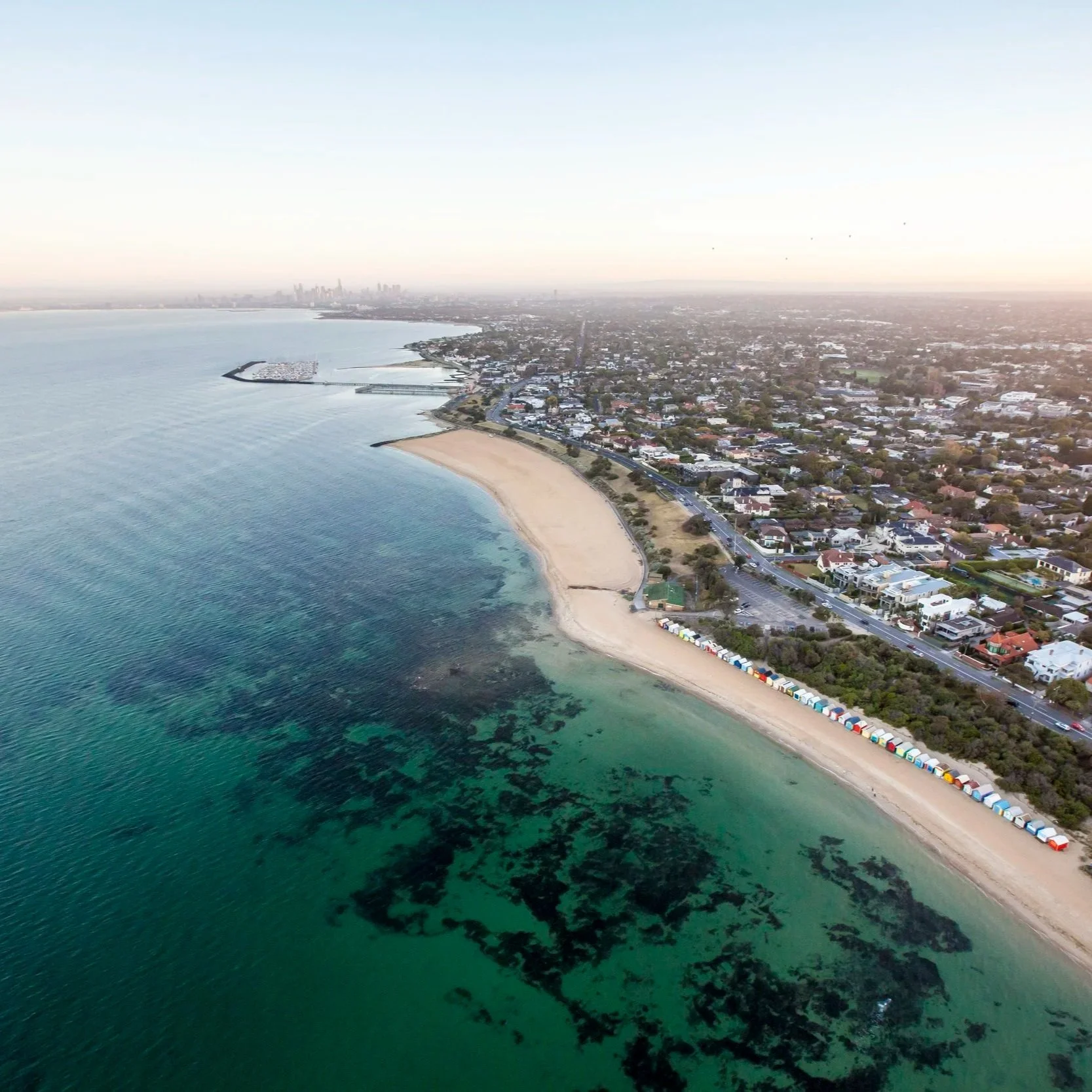
Bayside | Greater Melbourne
Bayside stretches along Melbourne’s south-eastern shoreline and includes some of the city’s most established residential beach suburbs, including Brighton, Hampton and Sandringham. These are classic swimming beaches supported by village shopping strips, private schools and reliable rail access to the CBD. Compared with inner bayside markets, Bayside offers a quieter, more residential feel while remaining within commuting distance of the city. Stock levels are moderate rather than tight, which can provide buyers with more choice. Rental demand reflects long-term lifestyle appeal rather than short-term affordability.
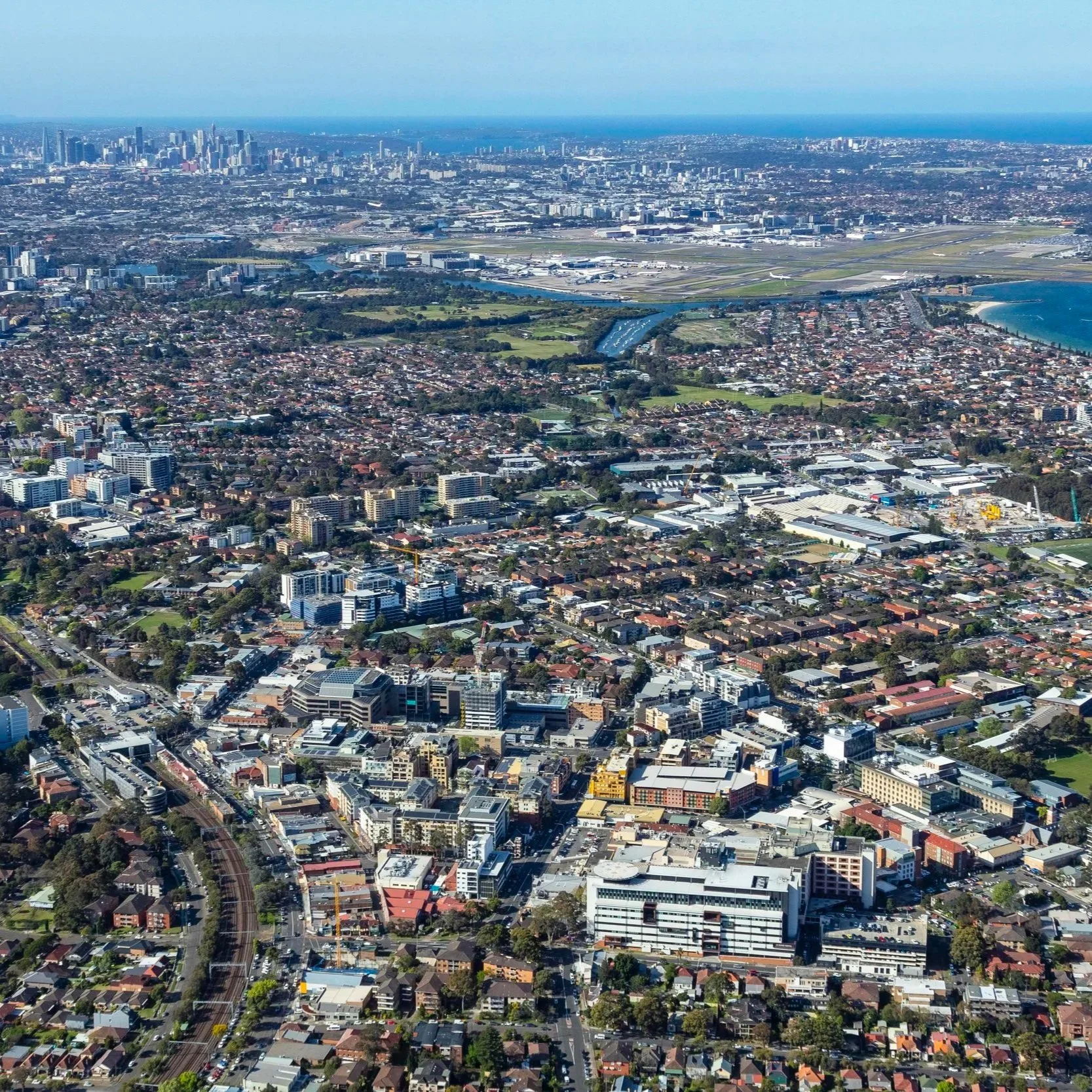
Kogarah – Rockdale | Greater Sydney
Kogarah–Rockdale sits along Botany Bay and the Georges River, around 13 kilometres south of Sydney’s CBD. The area combines beach access at locations such as Brighton-Le-Sands and Ramsgate with strong rail connectivity into the city. Its appeal lies in offering coastal living without the density or pricing of Sydney’s eastern suburbs. Housing supply is constrained by established development patterns, and rental demand remains consistent, driven by professionals and families prioritising proximity to water and transport over prestige addresses.
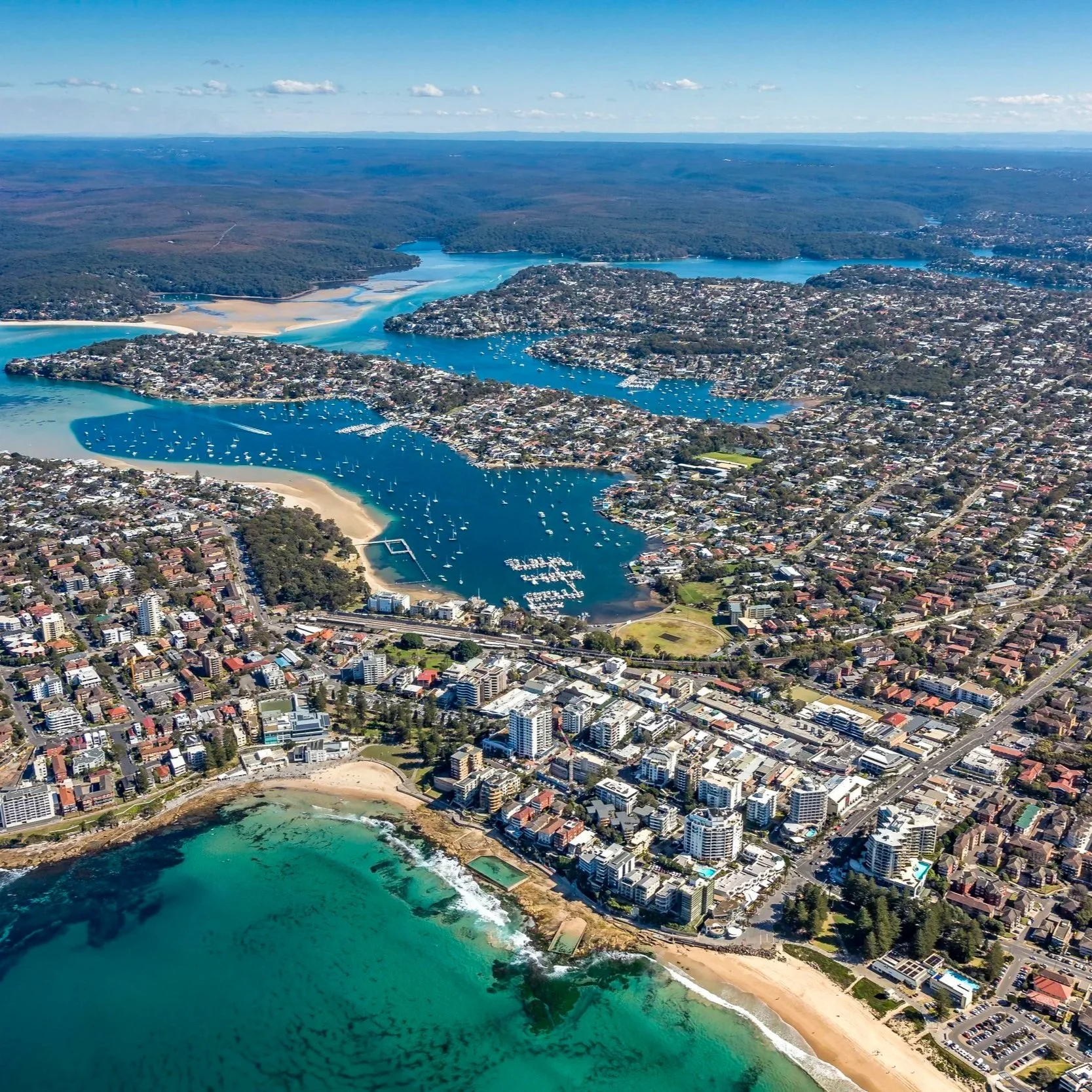
Cronulla – Miranda – Caringbah | Greater Sydney
This southern Sydney coastal market is defined by its ocean beaches, river access and strong local identity. Cronulla and surrounding suburbs offer surf beaches, marinas and a lifestyle that feels distinct from inner-city Sydney, while still remaining within commuting distance of the CBD. Housing here is tightly held, with supply influenced more by owner-occupier decisions than market cycles. Rental demand is persistent, reflecting the area’s desirability. For buyers, the long-term appeal lies in lifestyle durability rather than short-term market movements.
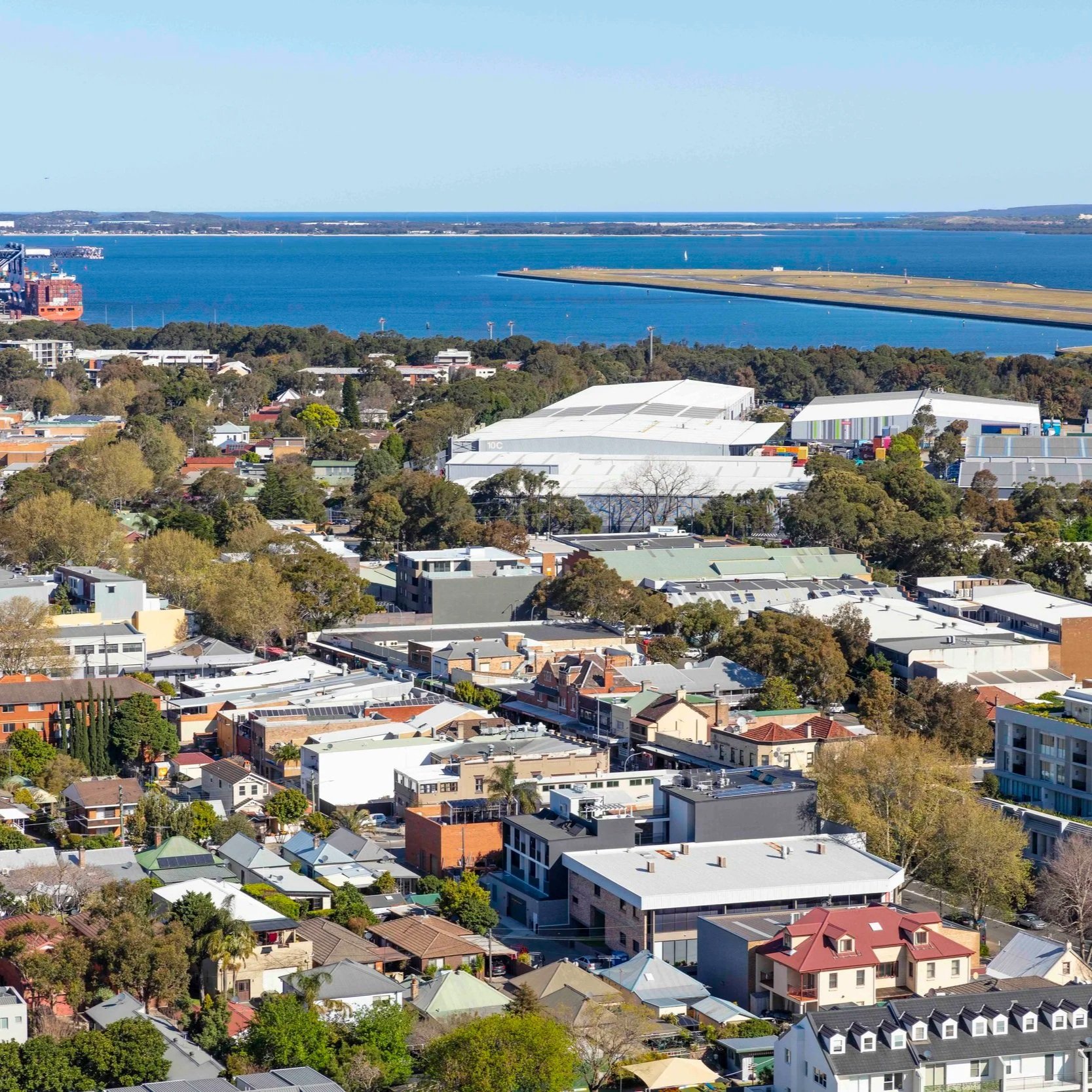
Botany | Greater Sydney
Botany sits close to Sydney’s CBD and airport, offering proximity to beaches alongside access to major employment hubs. Suburbs such as Pagewood and Mascot provide a mix of established housing and newer developments, with easy links to the city and eastern beaches. The area’s appeal is practical rather than picturesque, but its location underpins long-term demand. Housing supply remains limited, and rental markets are competitive, largely reflecting the area’s convenience rather than lifestyle branding.
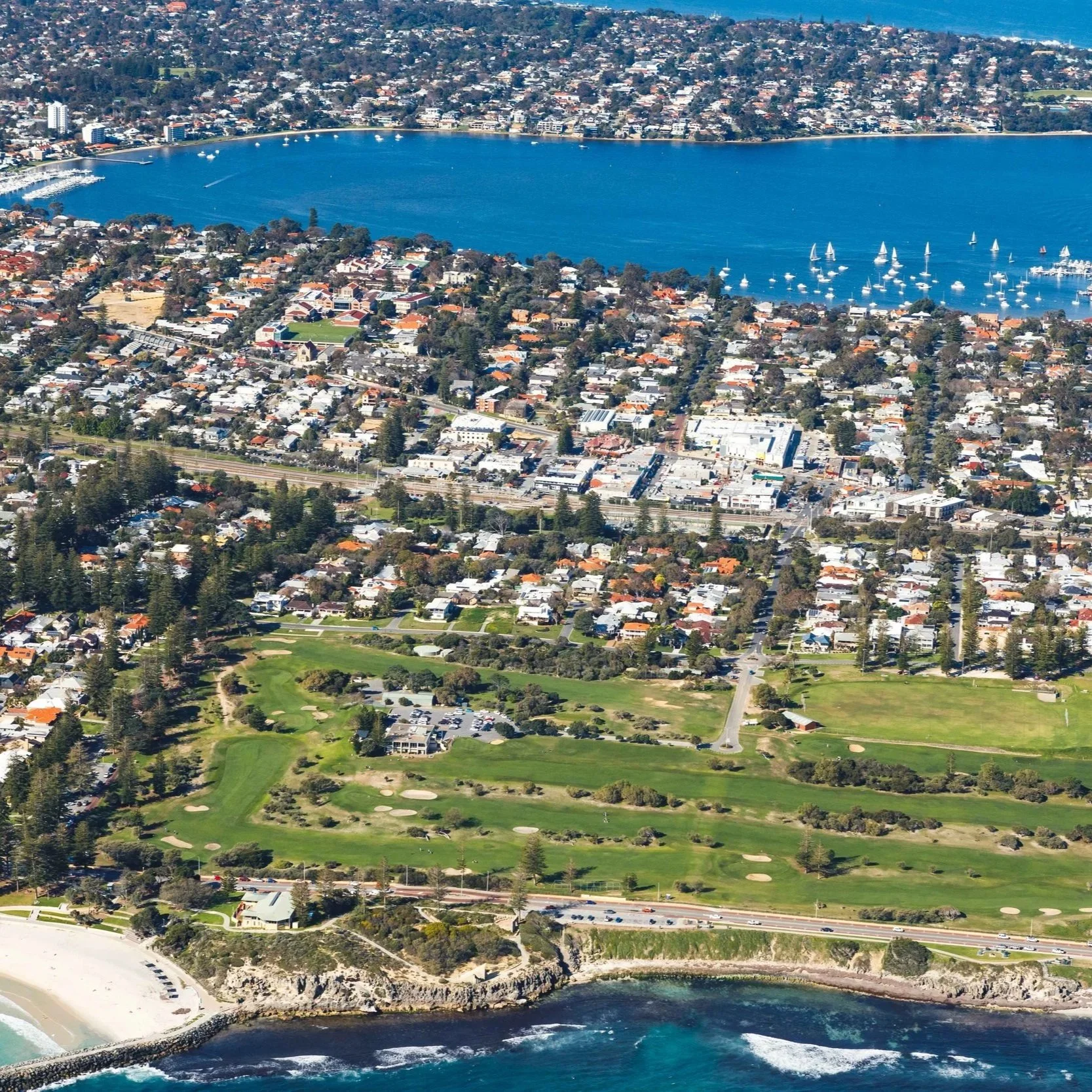
Cottesloe – Claremont | Greater Perth
Cottesloe–Claremont represents Perth’s premium coastal and riverside living, combining ocean beaches, Swan River access and close proximity to the CBD. Suburbs such as Cottesloe, Peppermint Grove and Claremont are known for established housing, coastal walks and high-quality amenity. Compared with eastern states equivalents, this market currently offers more choice, with higher stock levels. Rental demand remains strong, reflecting the area’s desirability. Long-term appeal is anchored in lifestyle quality rather than short-term market conditions.
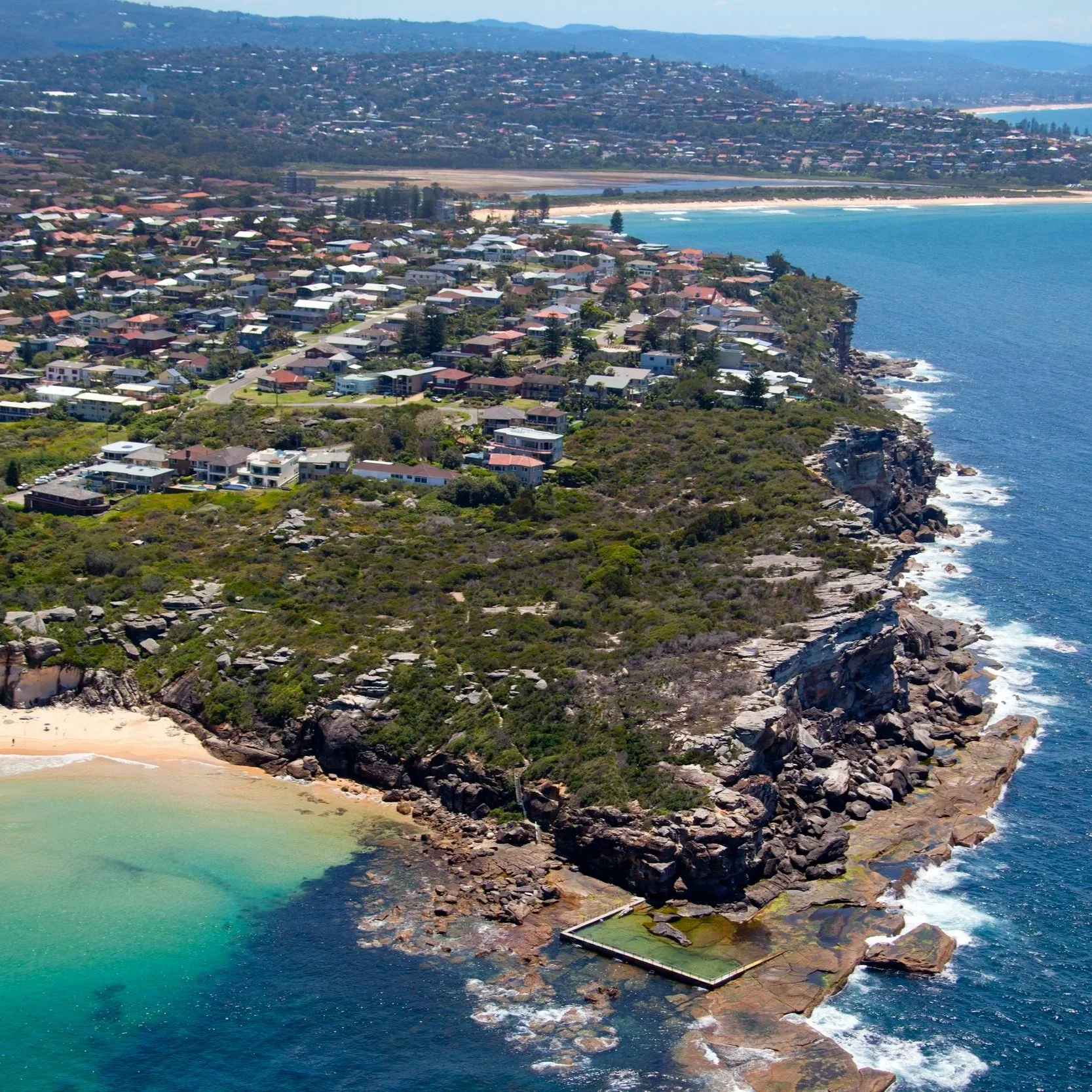
Warringah | Greater Sydney
Warringah covers a large portion of Sydney’s Northern Beaches, including suburbs such as Dee Why, Curl Curl and Narrabeen. The area offers surf beaches, bushland and harbour access within commuting distance of the CBD. Housing supply is structurally constrained by geography and planning controls, which limits turnover. Lifestyle appeal remains the dominant driver of demand, with rental markets reflecting strong interest from professionals and families seeking coastal living without inner-city density.

Eastern Suburbs – South | Greater Sydney
Eastern Suburbs–South includes coastal and near-coastal suburbs such as Coogee, Maroubra and Little Bay. These areas combine swimming beaches, coastal walks and proximity to hospitals, universities and the CBD. Housing supply is tight, reflecting both location and long-term owner occupancy. Rental demand remains resilient, driven by lifestyle and institutional employment nearby. For buyers, the appeal lies in consistent demand fundamentals rather than speculative growth narratives.
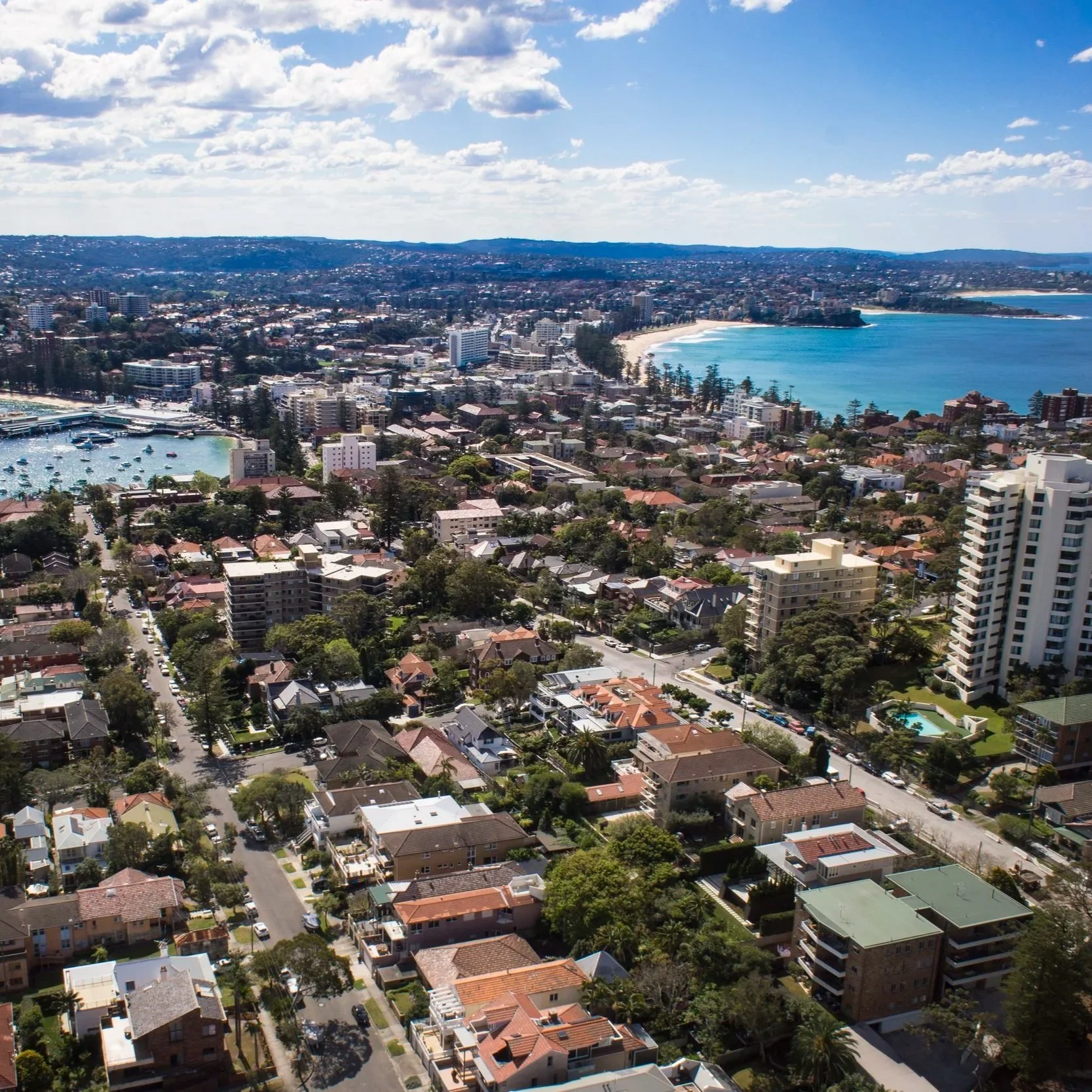
Manly | Greater Sydney
Manly is one of Sydney’s most recognisable coastal markets, offering direct ferry access to the CBD alongside surf beaches and harbour coves. The area’s appeal is global, but housing supply is limited by geography and established development. Market activity tends to be shaped by life-stage decisions rather than broader cycles. Rental demand remains strong, particularly for high-quality housing close to the beach. Long-term value here is closely tied to lifestyle and connectivity.
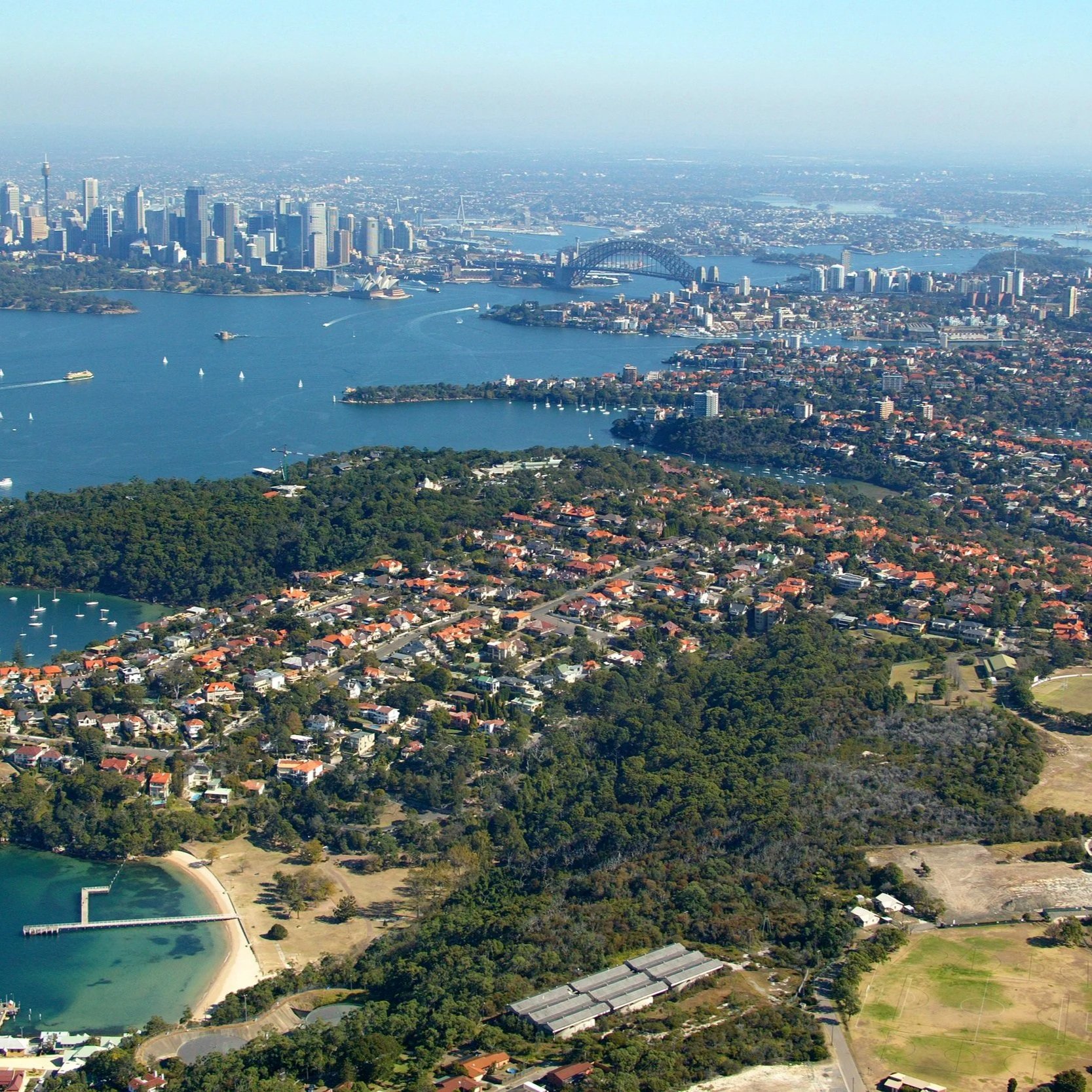
North Sydney – Mosman | Greater Sydney
North Sydney–Mosman combines harbourfront living with immediate access to Sydney’s commercial core. Suburbs such as Mosman, Neutral Bay and Kirribilli offer harbour views, coastal walks and proximity to private schools and transport. Housing supply is structurally constrained, and opportunities to buy are infrequent. Rental demand reflects the area’s prestige and convenience rather than affordability considerations. This is a market where long-term desirability has consistently outweighed short-term market cycles.
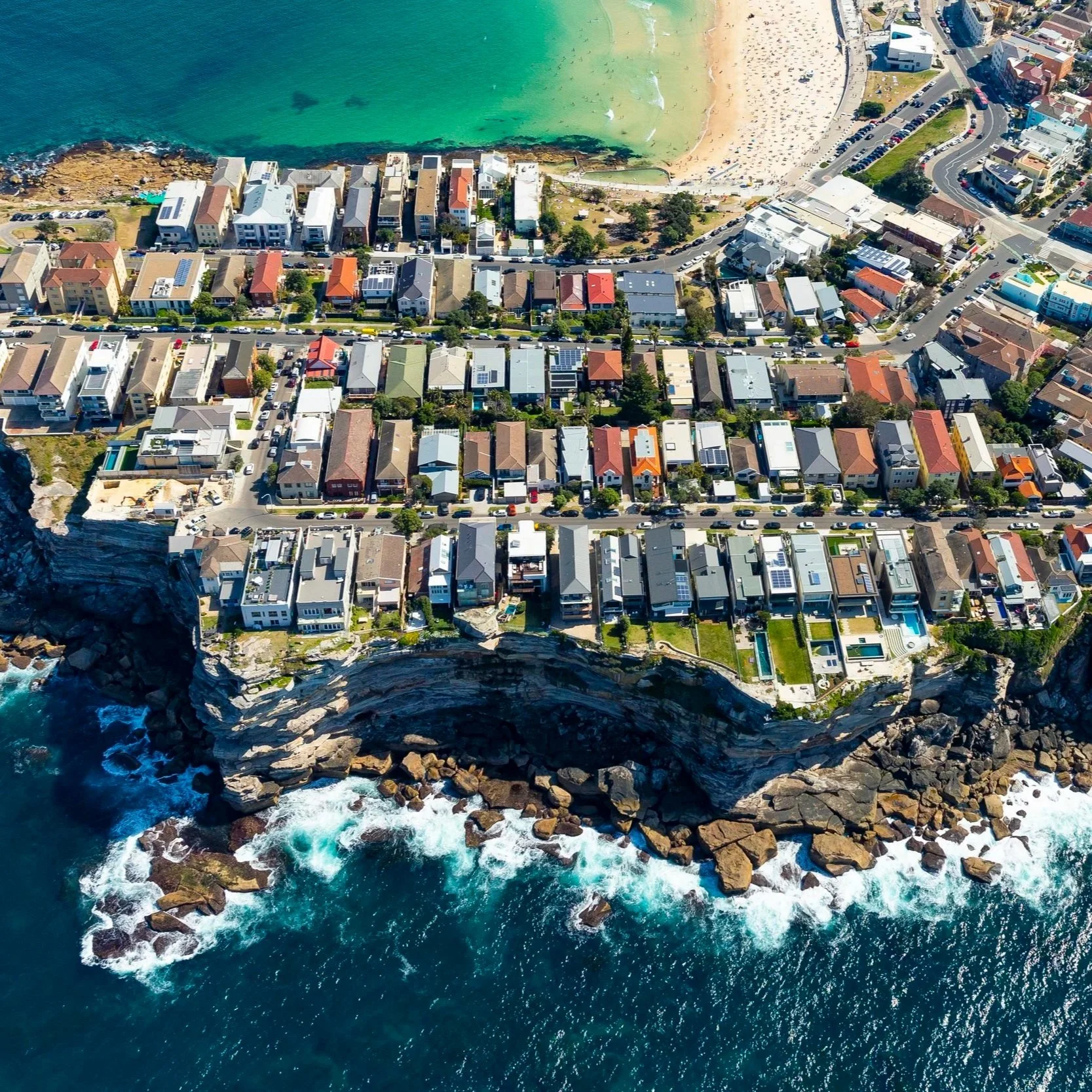
Eastern Suburbs – North | Greater Sydney
Eastern Suburbs–North includes some of Sydney’s most internationally recognised residential addresses, including Bondi, Double Bay and Vaucluse. These areas combine iconic beaches, harbour access and immediate proximity to the CBD. Housing supply is extremely limited, shaped by heritage controls and long-term ownership patterns. Rental demand remains firm, particularly for premium homes close to the coast. Buyer interest here is driven by lifestyle, prestige and location rather than market timing.