
Downsizing Without Disappearing: Regional Areas Offering Quality Healthcare and Lifestyle
For many empty nesters, downsizing is less about retreat and more about recalibration. After decades in Sydney, Melbourne or Brisbane, the appeal lies in reducing housing complexity while preserving access to healthcare, culture, and a sense of community. The locations examined here share a common trait: they sit outside the capital-city grind, yet remain anchored to quality hospitals, established town centres and reliable transport links.
At the more affordable end of the spectrum, Ballarat stands out as one of the clearest examples of a regional city that does not feel removed from civilisation. With a median house price around $540,000, many downsizers are able to unlock substantial equity from a metropolitan home sale. Ballarat’s healthcare offering, anchored by Ballarat Base Hospital, is a key drawcard, while its rail connection to Melbourne and strong local retail and dining scene support an active lifestyle. Higher inventory levels suggest buyers have choice, reducing the urgency often felt in tighter markets.
Tasmania offers a different balance. Hobart Inner and Hobart - South and West both benefit from proximity to the Royal Hobart Hospital, but deliver distinct living environments. Inner Hobart appeals to those prioritising walkability, cafés, waterfront access and cultural life, with prices reflecting that convenience. Hobart’s southern and western suburbs, by contrast, provide more space and a quieter pace, while remaining within a short drive of the city and hospital precinct. Inventory levels in both markets are moderate, meaning buyers are not forced into rushed decisions.
For those wanting a larger regional centre with coastal access, Newcastle presents a compelling middle ground. Newcastle combines a major tertiary hospital in John Hunter Hospital, beaches within minutes of the CBD, and a depth of services more commonly associated with capital cities. With a median price just over $1 million, many downsizers find they can trade a Sydney home for a simpler property while retaining urban amenity. Inventory levels indicate a functioning market rather than one dominated by scarcity, which suits buyers prioritising lifestyle fit over speed.
The Southern Highlands attracts a different profile again. Towns such as Bowral and Moss Vale appeal to downsizers seeking a cooler climate, heritage streetscapes and a strong community feel. While prices are higher than many regional alternatives, the area’s rail access to Sydney and proximity to hospitals in Goulburn and the broader Illawarra region reduce feelings of isolation. That said, higher days on market and elevated inventory suggest a slower-moving market, which can work in buyers’ favour if patience is applied.
Queensland’s Sunshine Coast features prominently for those stepping away from Brisbane. Buderim, Caloundra, Maroochy and Noosa all sit within reach of the Sunshine Coast University Hospital, which has become a critical anchor for downsizer demand. Buderim offers elevated living and proximity to retail and medical services; Caloundra provides flatter, more accessible coastal suburbs; Maroochy balances beach access with a growing commercial centre; and Noosa delivers premium lifestyle appeal, albeit with tighter supply and higher price points.
Further south, Gold Coast - North caters to downsizers who still want city-scale services. Proximity to the Gold Coast University Hospital, major shopping centres and transport corridors makes this area feel less like a retreat and more like a shift in pace. Inventory levels are higher here than in many coastal markets, offering buyers greater choice despite relatively high prices.
Across all of these locations, a consistent theme emerges. Quality hospitals act as the non-negotiable backbone of liveability, while inventory levels shape the buying experience. Markets with higher stock tend to reward patience and negotiation, while tighter markets require clarity on priorities. For empty nesters, the real opportunity lies not in chasing the cheapest option, but in selecting a location where lifestyle, healthcare and everyday convenience align — allowing the next chapter to feel simpler, not smaller.
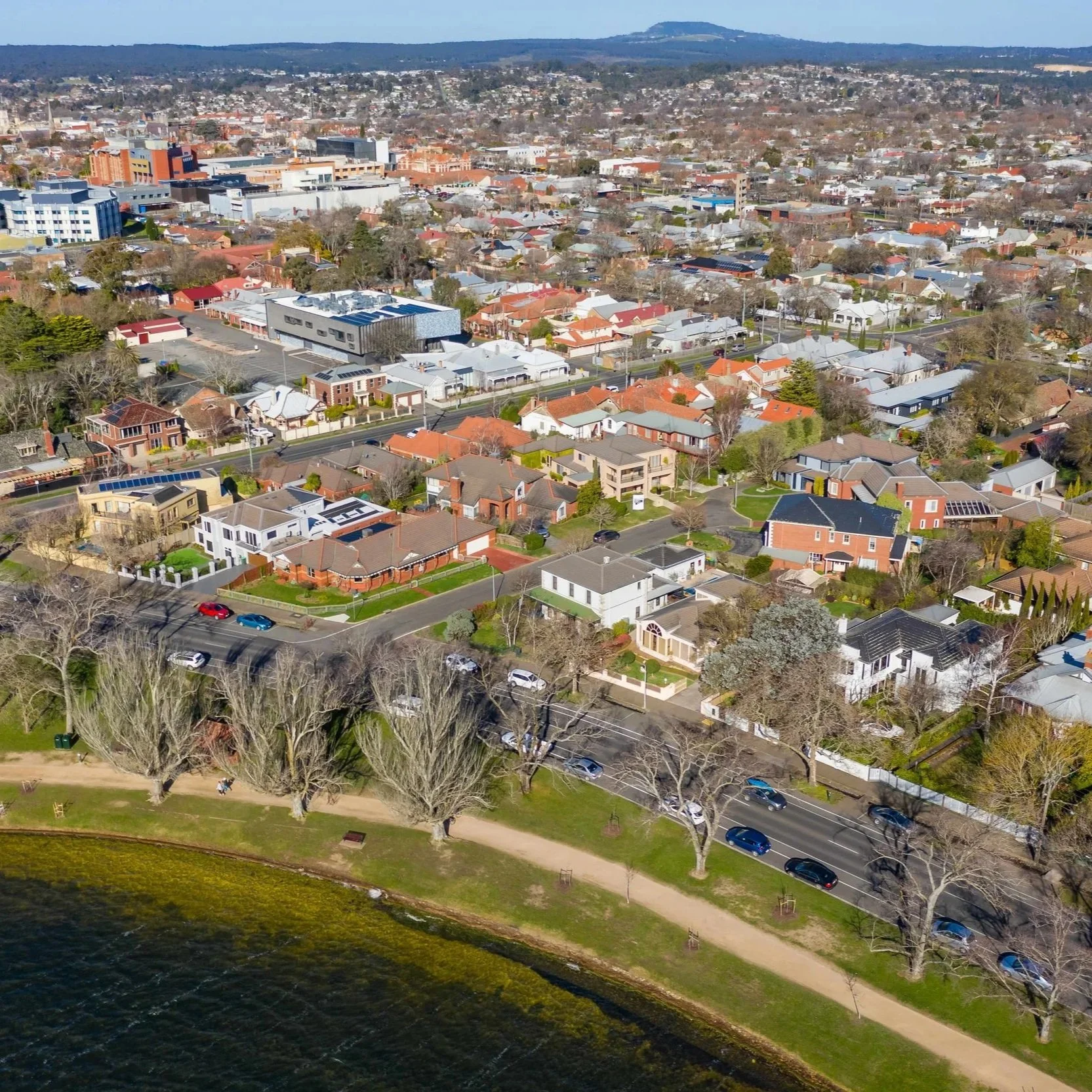
Ballarat
Ballarat offers one of the clearest value propositions for empty nesters leaving Melbourne. With a well-established town centre, strong retail and dining, and direct rail access to the city, it functions as a self-contained regional city rather than a satellite town. Ballarat Base Hospital provides a critical layer of healthcare security, while Lake Wendouree, heritage streetscapes and cultural institutions support an active lifestyle. Housing options range from period homes close to the centre to newer low-maintenance dwellings on the fringe, often allowing downsizers to retain significant equity after selling a metropolitan home. Higher stock levels mean buyers typically have time to assess options without urgency.

Hobart Inner
Hobart Inner is well suited to downsizers who value walkability, culture and daily convenience. Proximity to the waterfront, cafés, galleries and the Royal Hobart Hospital creates a lifestyle that feels urban without the scale or congestion of mainland capitals. Suburbs such as Battery Point and Sandy Bay offer established housing close to services, while apartment living is increasingly common for those seeking minimal maintenance. Prices are higher than outer Hobart areas, reflecting convenience rather than speculation. Inventory levels are manageable, making this a practical option for empty nesters wanting connection and simplicity.
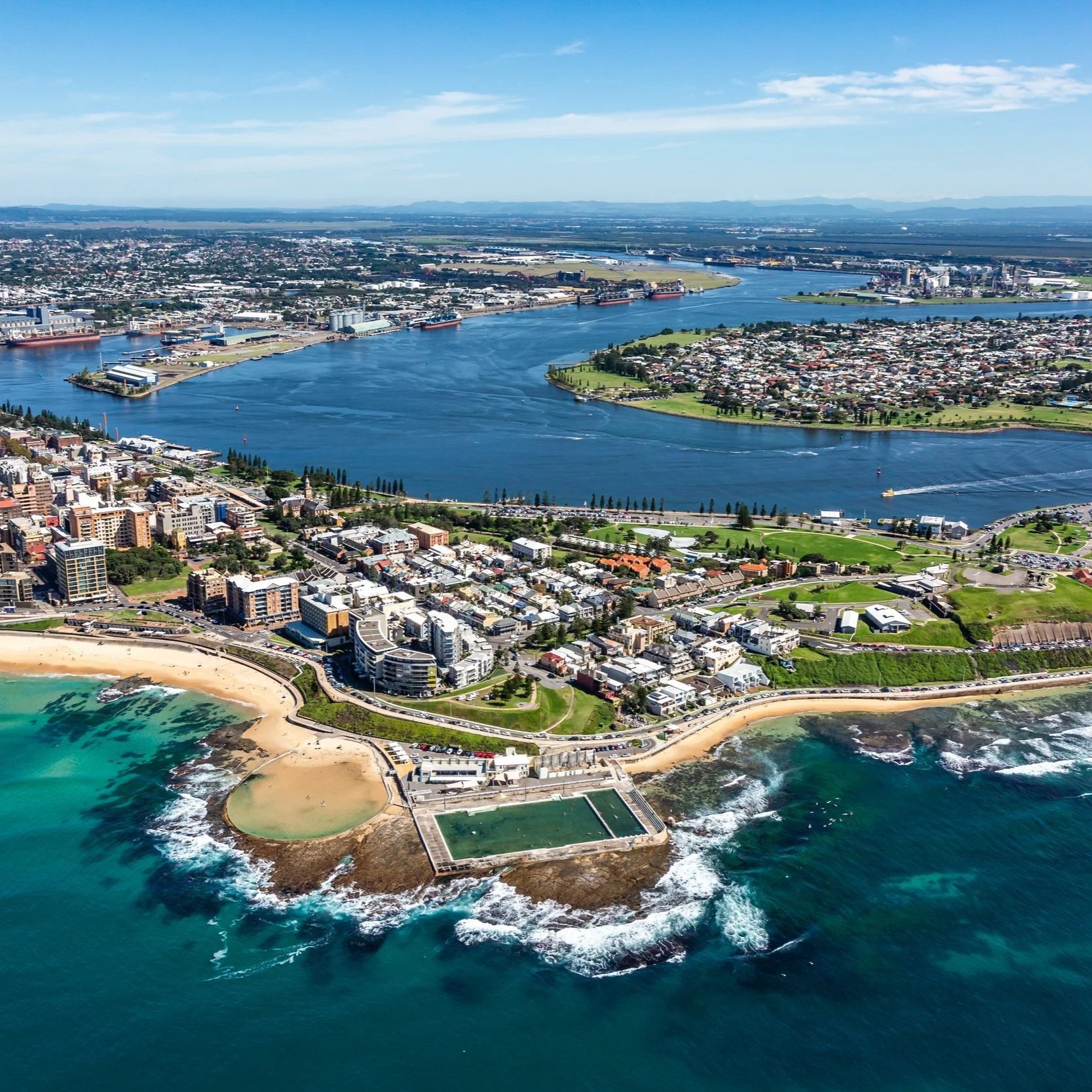
Newcastle
Newcastle functions as a genuine regional city, combining beaches, a working CBD and comprehensive healthcare. John Hunter Hospital anchors the medical precinct, while coastal suburbs such as Merewether and Bar Beach offer daily access to the ocean. The city supports theatres, restaurants and universities, making it attractive to downsizers who still want activity and choice. Housing options range from inner-city apartments to townhouses and detached homes in established suburbs. With inventory at balanced levels, buyers are not forced into rushed decisions, allowing lifestyle fit to drive choices rather than scarcity.
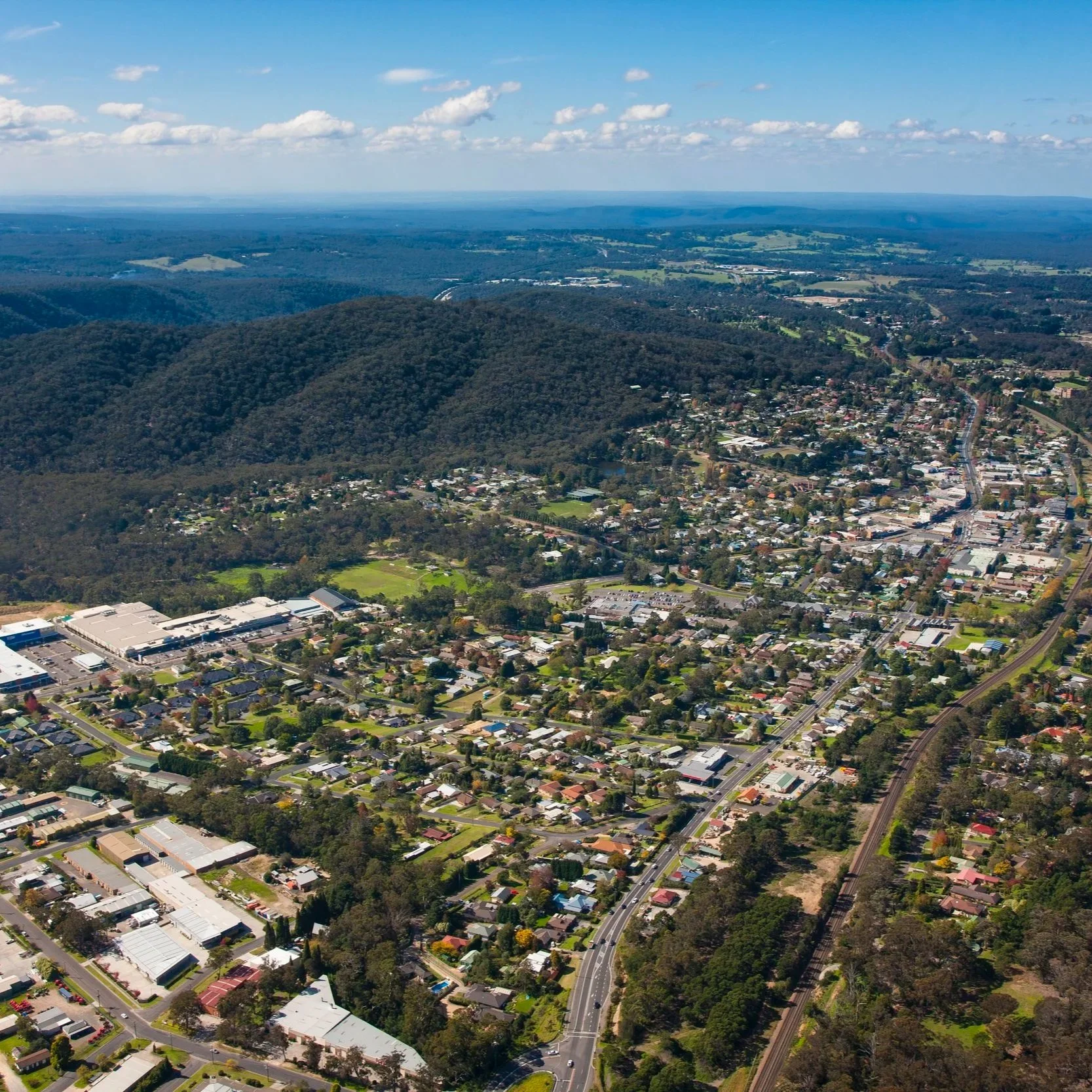
Southern Highlands
The Southern Highlands appeals to empty nesters seeking a cooler climate, heritage towns and a strong community atmosphere. Centres such as Bowral and Moss Vale offer cafés, medical services and rail connections back to Sydney. While hospital access relies on nearby regional centres, the area’s appeal lies in space, greenery and a quieter rhythm of life. Housing typically consists of detached homes on larger blocks, though newer low-maintenance developments are emerging. Higher inventory and longer selling times favour patient buyers, making this a market where careful selection is rewarded.
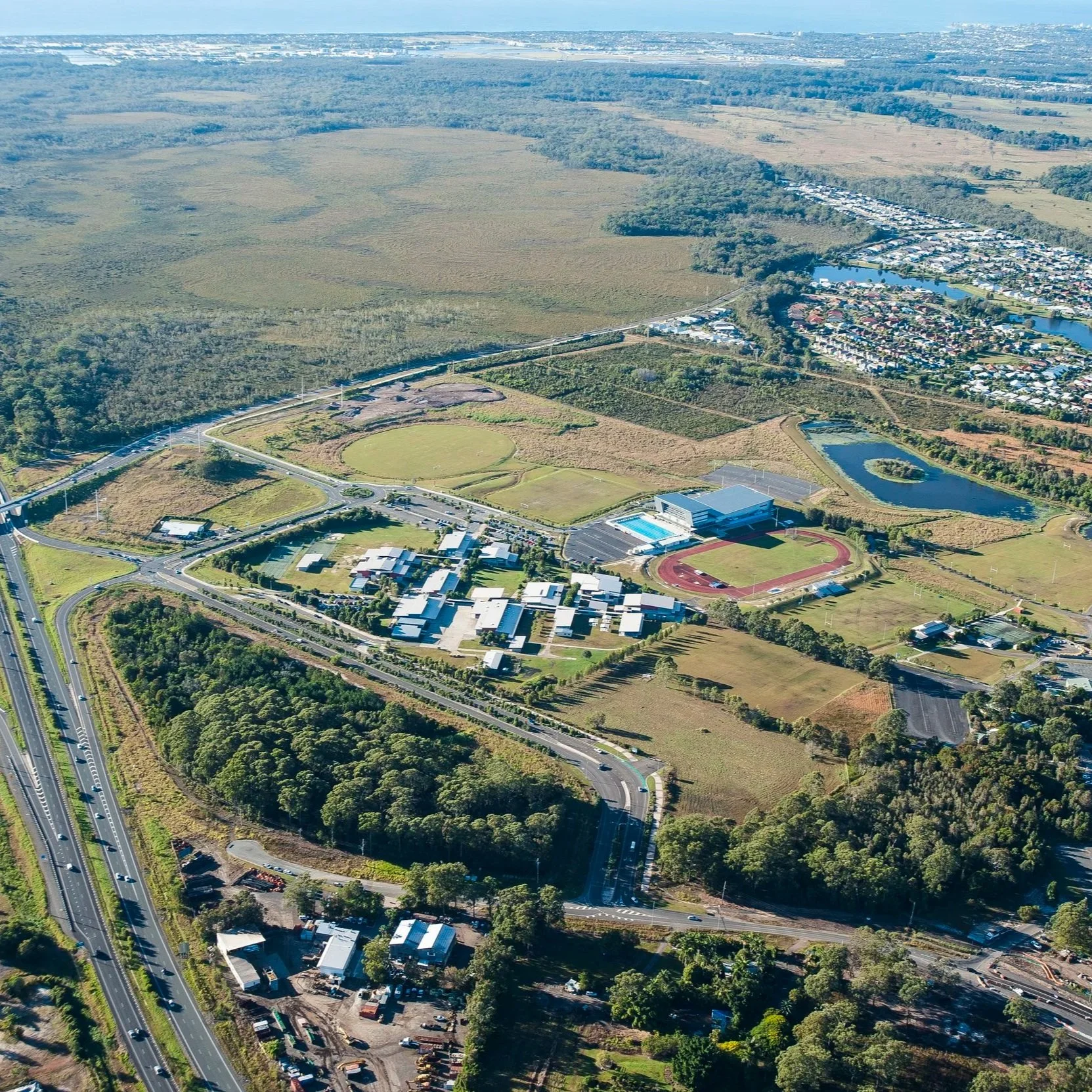
Buderim
Buderim offers elevated living on the Sunshine Coast, combining hinterland calm with proximity to beaches, shopping and the Sunshine Coast University Hospital. The area is popular with downsizers seeking privacy without isolation, supported by strong retail, cafés and medical services nearby. Housing options include modern townhouses and established homes on leafy streets, often appealing to those downsizing from large metropolitan properties. Prices reflect desirability but remain accessible relative to capital cities. Stock levels are balanced, allowing buyers to take a measured approach while focusing on long-term liveability.
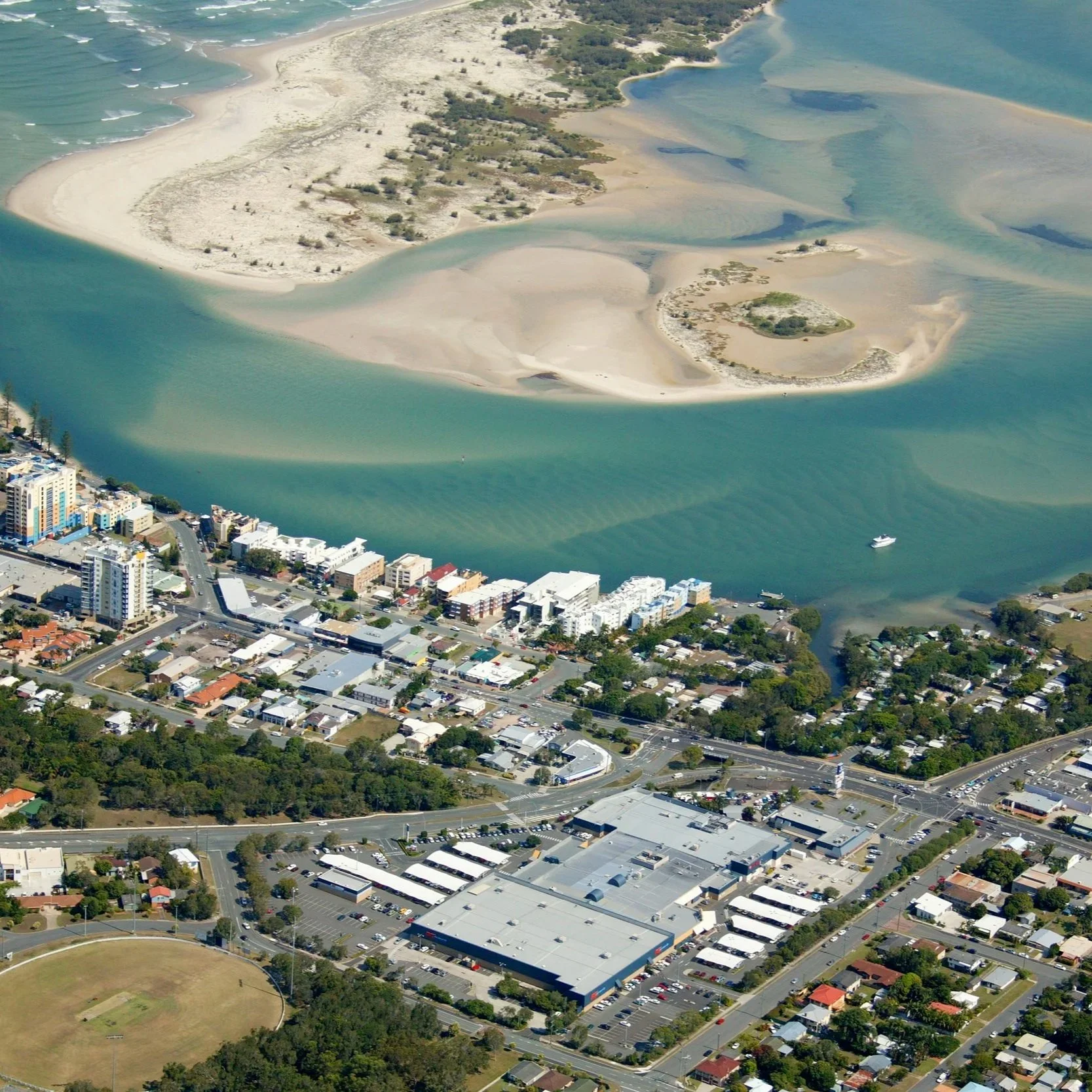
Caloundra
Caloundra is particularly well suited to ageing in place, with flatter coastal suburbs, calm beaches and strong health infrastructure anchored by the Sunshine Coast University Hospital. The lifestyle centres on walking, swimming and local cafés rather than nightlife or tourism. Housing options range from apartments near the water to low-maintenance houses in master-planned communities. Many empty nesters find they can simplify their living arrangements while staying close to essential services. Inventory levels are moderate, supporting informed decision-making rather than competitive pressure.
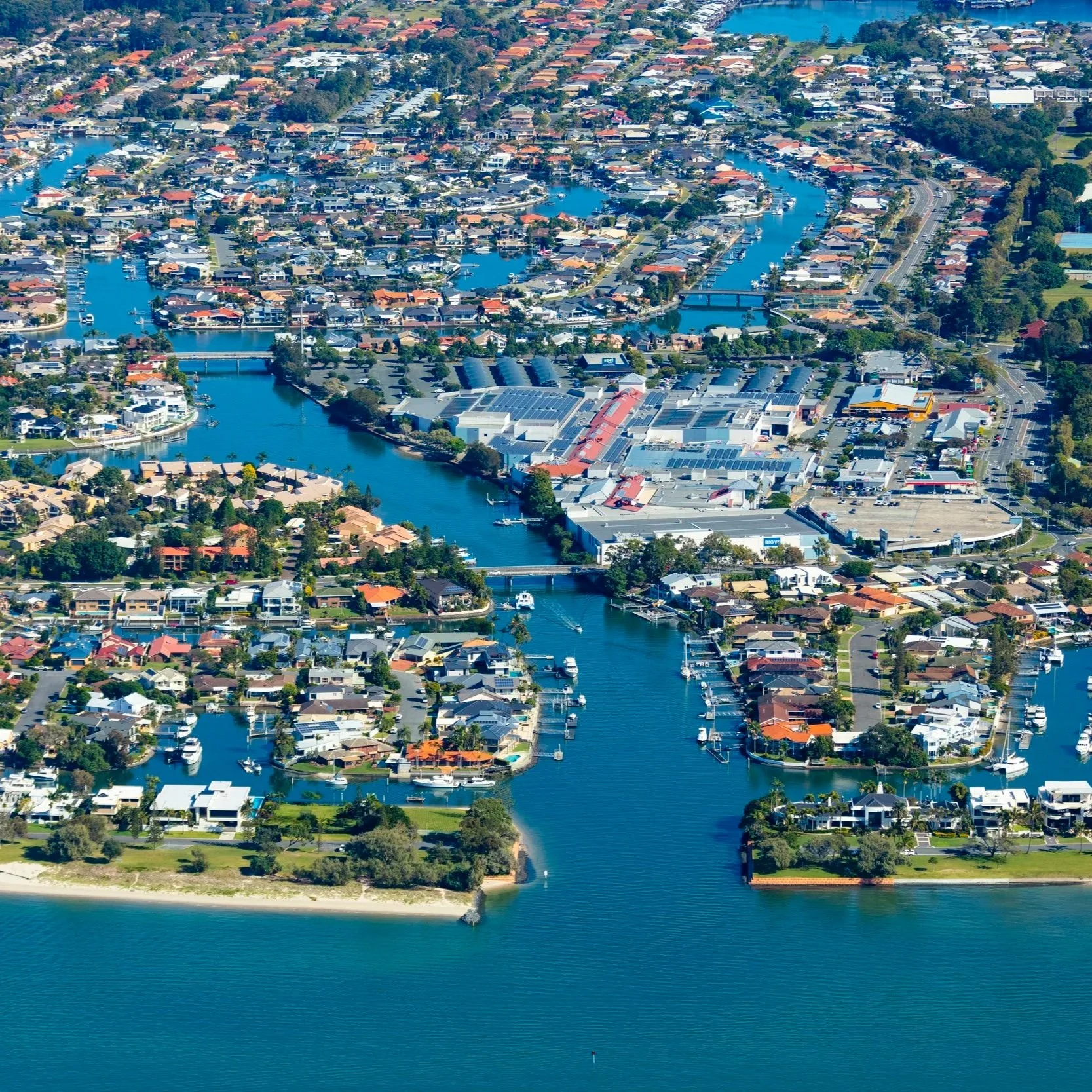
Gold Coast – North
Gold Coast – North offers a more urban downsizing option, combining proximity to the Gold Coast University Hospital with access to retail, transport and waterways. Suburbs such as Runaway Bay and Paradise Point appeal to empty nesters who want services and activity without high-rise density. Housing includes villas, townhouses and waterfront homes, often allowing equity release from Brisbane or Sydney sales. Higher inventory levels provide choice, making this area suitable for buyers who want flexibility and city-scale amenity without capital-city congestion.
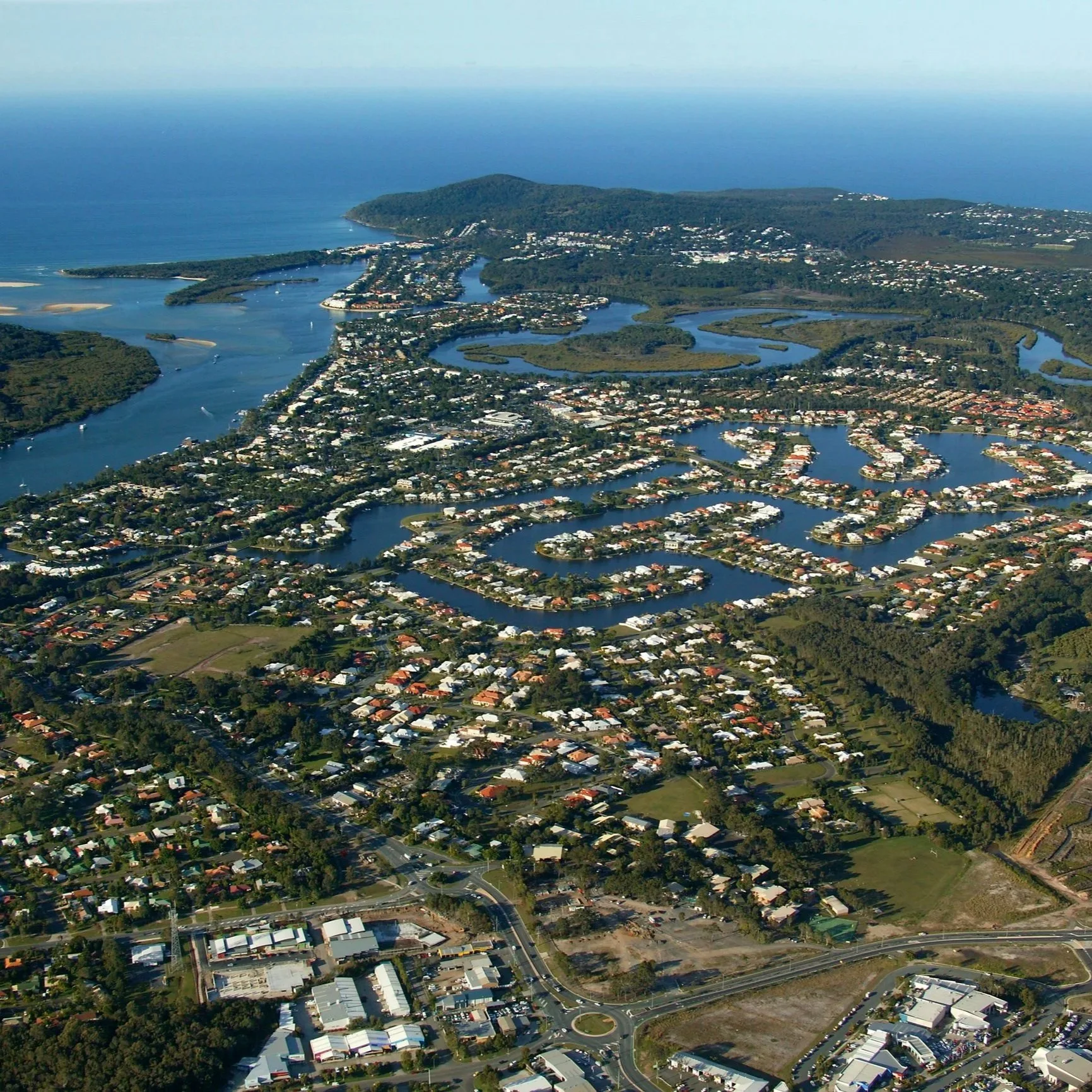
Noosa
Noosa delivers a premium coastal lifestyle built around beaches, national parks and village centres. While prices are higher than many regional alternatives, downsizers are drawn to the quality of amenity, strong community networks and access to the Sunshine Coast University Hospital. Housing options include apartments near Hastings Street, townhouses and detached homes in surrounding suburbs. Supply is tighter here, so buyers often need clarity on priorities. For those prioritising lifestyle and environment, Noosa remains one of Australia’s most enduring downsizer destinations.
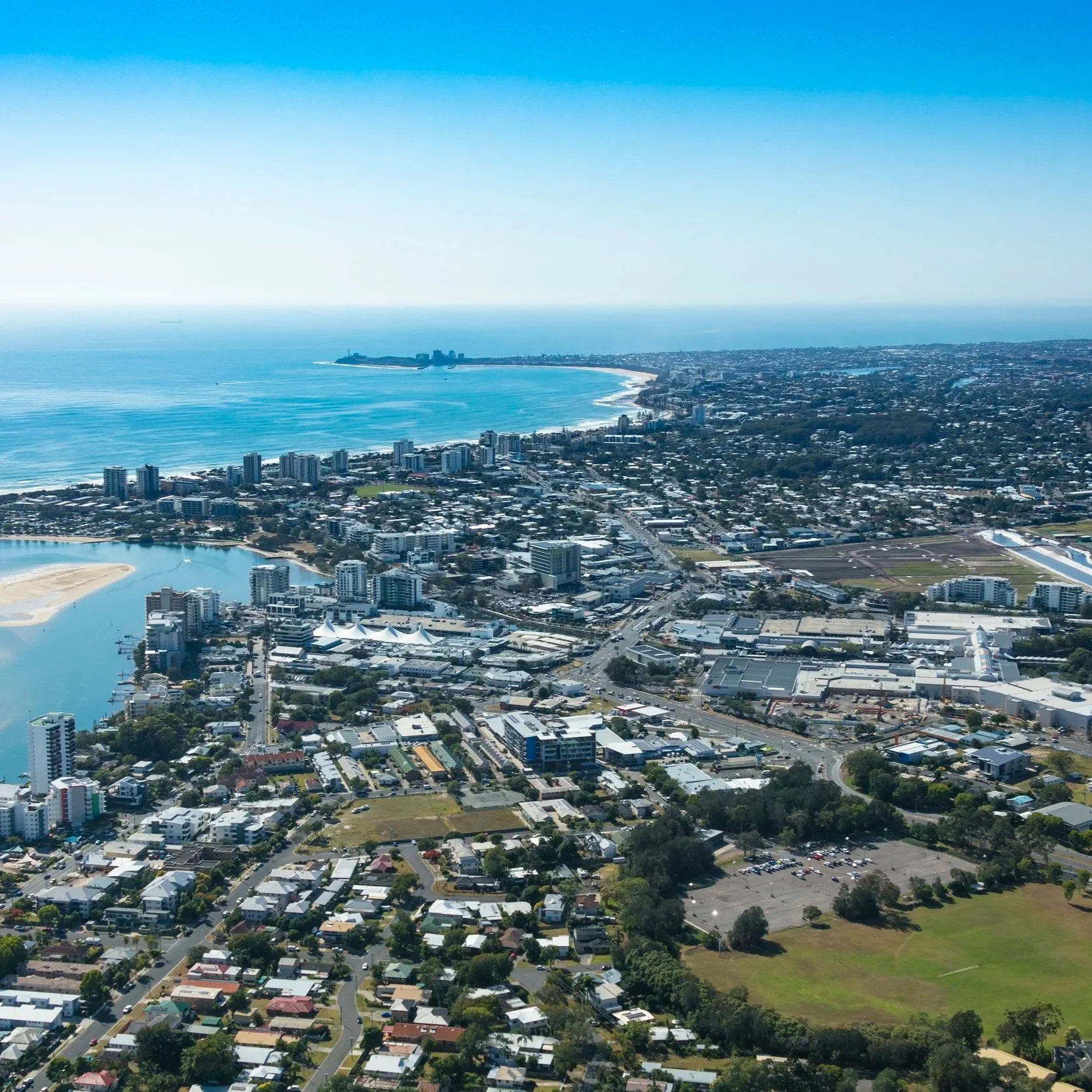
Maroochy
Maroochy combines beachside living with a growing commercial and retail centre at Maroochydore. Proximity to the Sunshine Coast University Hospital and the regional airport adds to its appeal for empty nesters wanting connectivity. The area offers a mix of apartments, townhouses and detached homes, catering to a wide range of downsizing preferences. Lifestyle is active but not overly seasonal, with strong local employment and services supporting year-round living. Inventory levels suggest buyers typically have options, allowing lifestyle considerations to guide decisions rather than competition.