
Moving to Australia: 10 Beachside Areas Under $1.5 Million (January 2026)
For overseas buyers considering a move to Australia, a beachside lifestyle is often a major drawcard. What matters just as much, however, is understanding how local housing markets actually function once you arrive. The ten areas highlighted here are all coastal or near-coastal local markets where the median house price sits under $1.5 million. They span Perth, Adelaide, Brisbane and Melbourne, and while they differ in character, they share one common feature: each sits at the intersection of lifestyle demand, rental pressure and constrained supply.
For buyers new to Australia, two indicators are particularly useful. The first is days on market, which is simply how long homes typically take to sell. Shorter selling times suggest buyers are acting quickly; longer selling times usually indicate more choice and less urgency. The second is months of stock, sometimes referred to as inventory. In practical terms, this measures how long it would take to sell all homes currently listed if no new listings appeared. Markets with under two months of stock are generally difficult for buyers, three to four months is more balanced, and five months or more tends to favour buyers.
On Australia’s west coast, several Perth markets illustrate how these dynamics play out. Cockburn, around 20 kilometres south of the Perth CBD, includes coastal suburbs such as Coogee and North Coogee alongside newer residential estates. Beaches here are accessible and family-friendly, with coastal paths and marina facilities. Weekly rents have risen over the past year, signalling pressure in the rental market. While many overseas buyers still rent first to understand the area, higher rents and competition mean this phase requires planning and flexibility. Stock levels sit above four months, which reduces near-term price pressure when buying.
Further north, Stirling and Joondalup provide access to some of Perth’s most established beach precincts, including Scarborough, Trigg, Hillarys and Mullaloo. Stirling stands out for having more than five months of stock available, which shifts bargaining power toward buyers and allows more time to assess options. Joondalup, by contrast, sits closer to balanced conditions. In both areas, rents have risen sharply, reflecting sustained demand. Renting first remains common, but tighter rental conditions can shorten how long households are comfortable staying renters.
Adelaide’s coastal markets show a different mix of pressures. Marion, about 13 kilometres south of the CBD, offers access to Brighton and Seacliff beaches, along with major retail and transport infrastructure. Here, stock levels are below two months, which typically means buyers face competition and limited choice. Rents have also increased, reinforcing that pressure exists on both sides of the market. Nearby West Torrens benefits from its proximity to the city, airport and West Beach, with more balanced stock levels giving buyers slightly more breathing room. Holdfast Bay, centred on Glenelg and Brighton, combines strong lifestyle appeal with moderate stock levels, though competition can intensify seasonally.
On the east coast, Sandgate sits north of Brisbane’s CBD and is known for calm bayside beaches, foreshore walks and rail access into the city. Stock levels here are above four months, which generally eases buying conditions. At the same time, rents have continued to rise, reflecting limited availability. For overseas buyers, renting is often still the entry point, but rental pressure means acting early and budgeting conservatively is essential.
In Melbourne, Hobsons Bay and Kingston offer bayside living within commuting distance of the CBD. Hobsons Bay, including Williamstown and Altona, currently shows relatively balanced conditions, with prices flat over the past year and modest rent growth. Kingston, stretching along Melbourne’s south-eastern beaches, has tighter stock levels and rising rents, meaning buyers and renters alike face more competition for well-located homes.
Across all ten areas, one message is consistent: renting first remains common for overseas buyers, but it is not without friction. Rents have generally risen over the past year, indicating pressure in the rental market. That pressure does not prevent renting, but it does influence how long households choose to remain renters and how quickly they reassess buying. At the same time, inventory levels provide the key near-term caveat. Where stock is tight, price pressure can persist; where stock is more abundant, buyers typically face less urgency.
For overseas buyers, understanding these local conditions is more valuable than focusing on headlines. Beachside markets in Australia vary widely, and successful entry depends less on timing the market and more on understanding how demand, supply and rental pressures interact in each location.
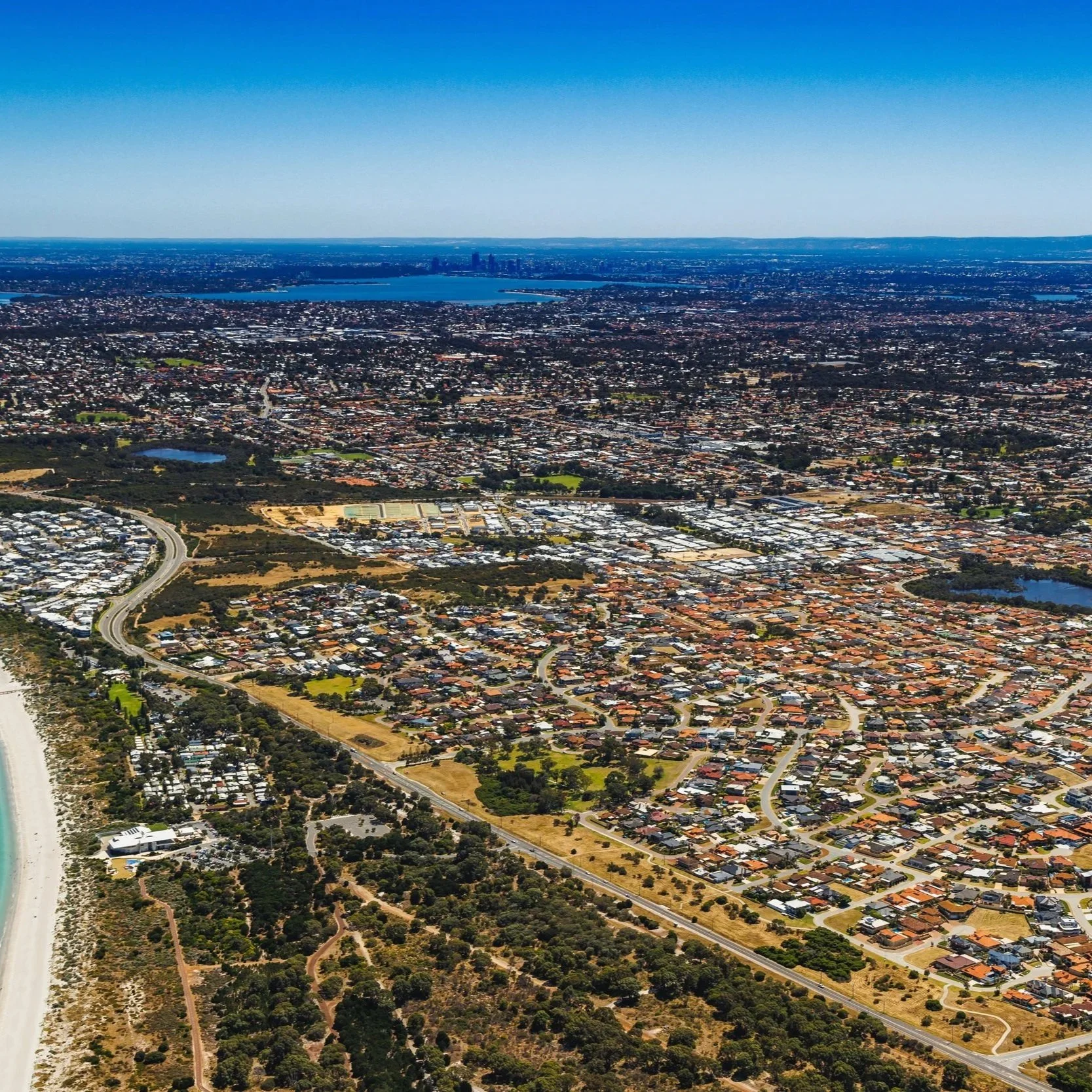
Cockburn | Greater Perth
Cockburn sits around 20 kilometres south of Perth’s CBD and includes coastal suburbs such as Coogee and North Coogee, alongside newer residential estates. Beaches here are family-friendly, with coastal paths, parks and marina access. Weekly rents have risen over the past year, signalling pressure in the rental market rather than ease. Many overseas buyers still rent first, but competition and higher rents mean planning ahead is essential. With stock levels above four months, buying conditions are less pressured in the near term, offering buyers more choice once they are ready to purchase.
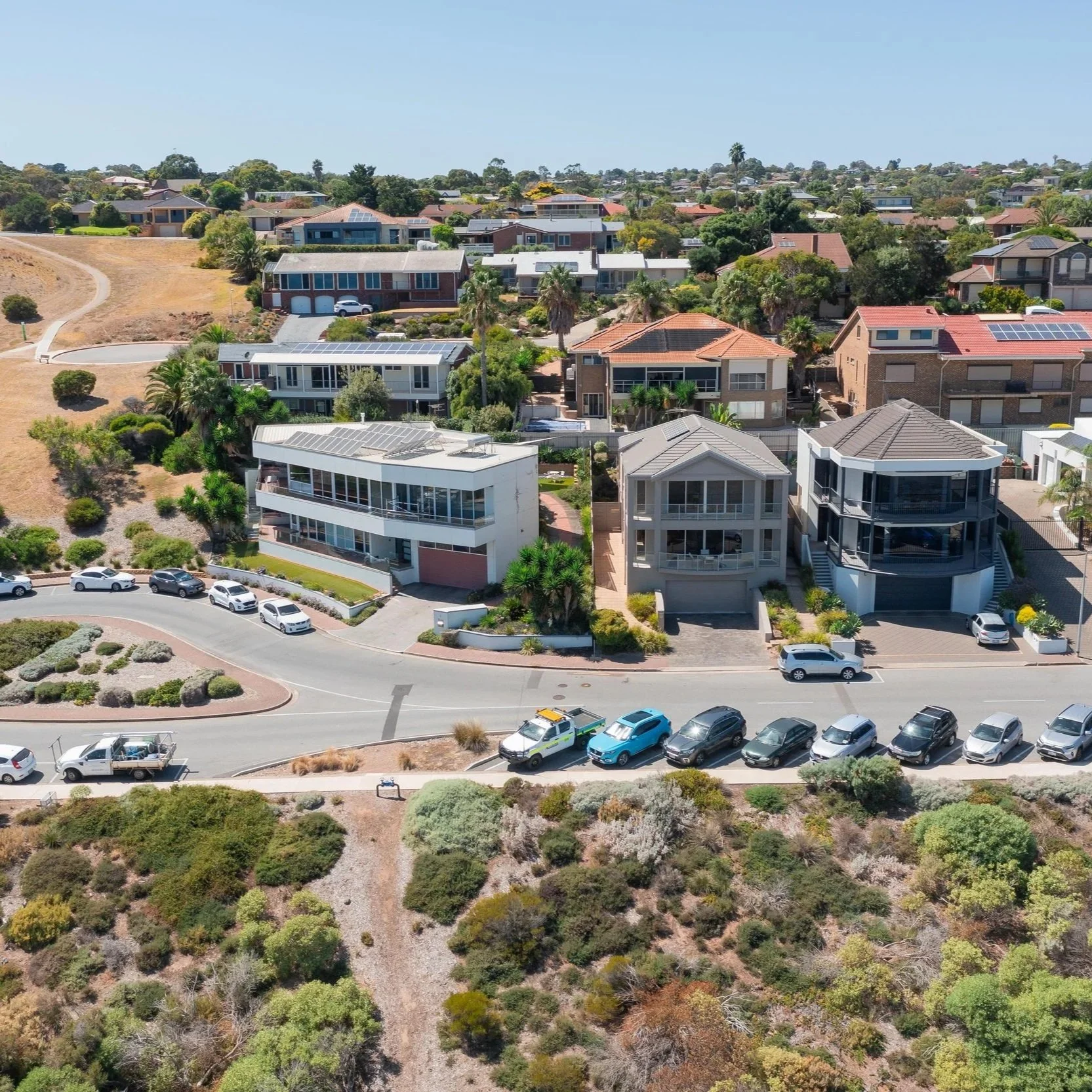
Marion | Greater Adelaide
Marion is located about 13 kilometres south of Adelaide’s CBD and offers access to popular beaches such as Brighton and Seacliff, along with major retail and transport links. Homes here are selling relatively quickly, and stock levels sit below two months, which typically creates a competitive buying environment. Rents have continued to rise, reflecting strong demand and limited availability. Overseas buyers often still rent initially, but tight rental conditions can reduce flexibility. In the short term, limited supply means buyers should expect competition when entering the market.

Sandgate | Greater Brisbane
Sandgate lies roughly 17 kilometres north of Brisbane’s CBD and is known for its bayside foreshore, long waterfront walks and village-style cafés. The beaches here are calm rather than surf-focused, appealing to families and downsizers. Rental prices have increased over the past year, indicating ongoing pressure in the rental market. While renting first remains common for new arrivals, securing accommodation may require flexibility. Stock levels are above four months, which generally eases buying conditions and reduces near-term price pressure compared with tighter coastal markets.
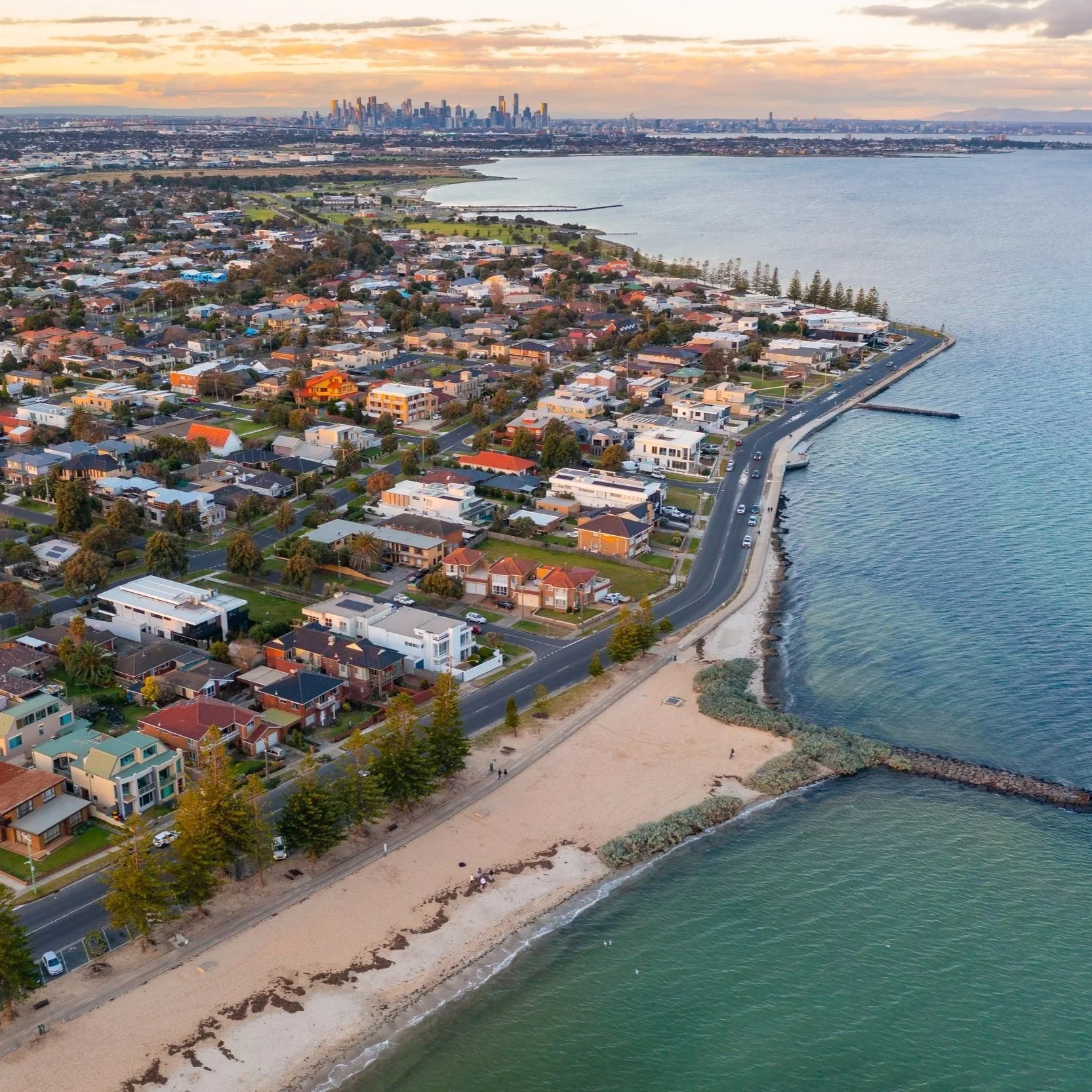
Hobsons Bay | Greater Melbourne
Hobsons Bay sits just nine kilometres west of Melbourne’s CBD and includes established bayside suburbs such as Williamstown and Altona. The beaches are calm and well-used, supported by cafés, parks and ferry connections into the city. Rents have risen modestly, pointing to steady but not extreme rental pressure. Stock levels sit around three months, which is closer to balanced conditions. For overseas buyers, renting first remains practical, while the buying market currently offers more time for due diligence than many other inner-bayside locations.
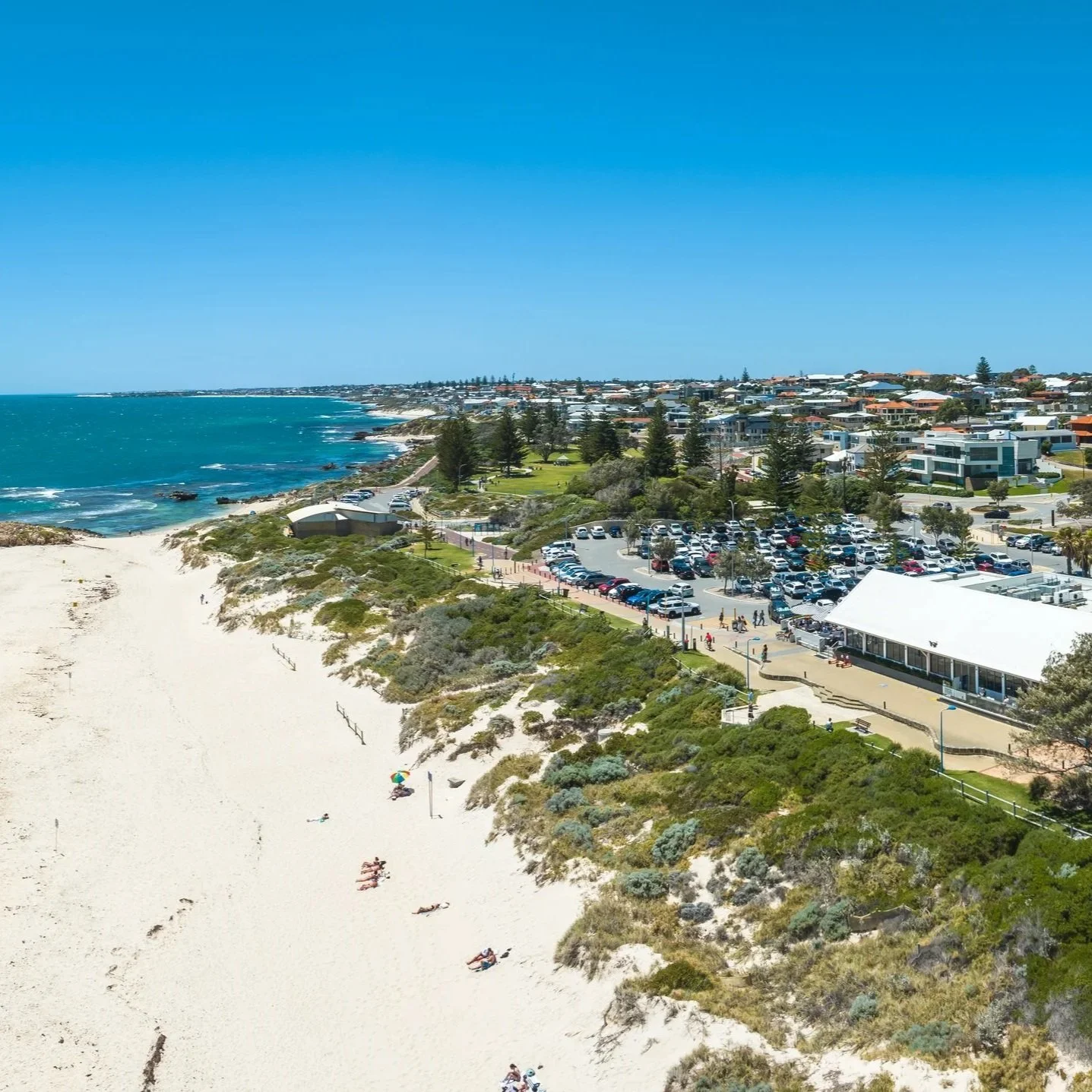
Stirling | Greater Perth
Stirling is an inner-northern Perth area, around eight kilometres from the CBD, with access to some of the city’s most active coastal strips, including Scarborough and Trigg. These beaches are known for surf, cafés and coastal reserves. Rental prices have risen strongly, reflecting lifestyle-driven demand and competition among renters. At the same time, stock levels exceed five months, which shifts near-term conditions in favour of buyers. This combination allows overseas buyers to rent initially while benefiting from less urgency when transitioning into ownership.
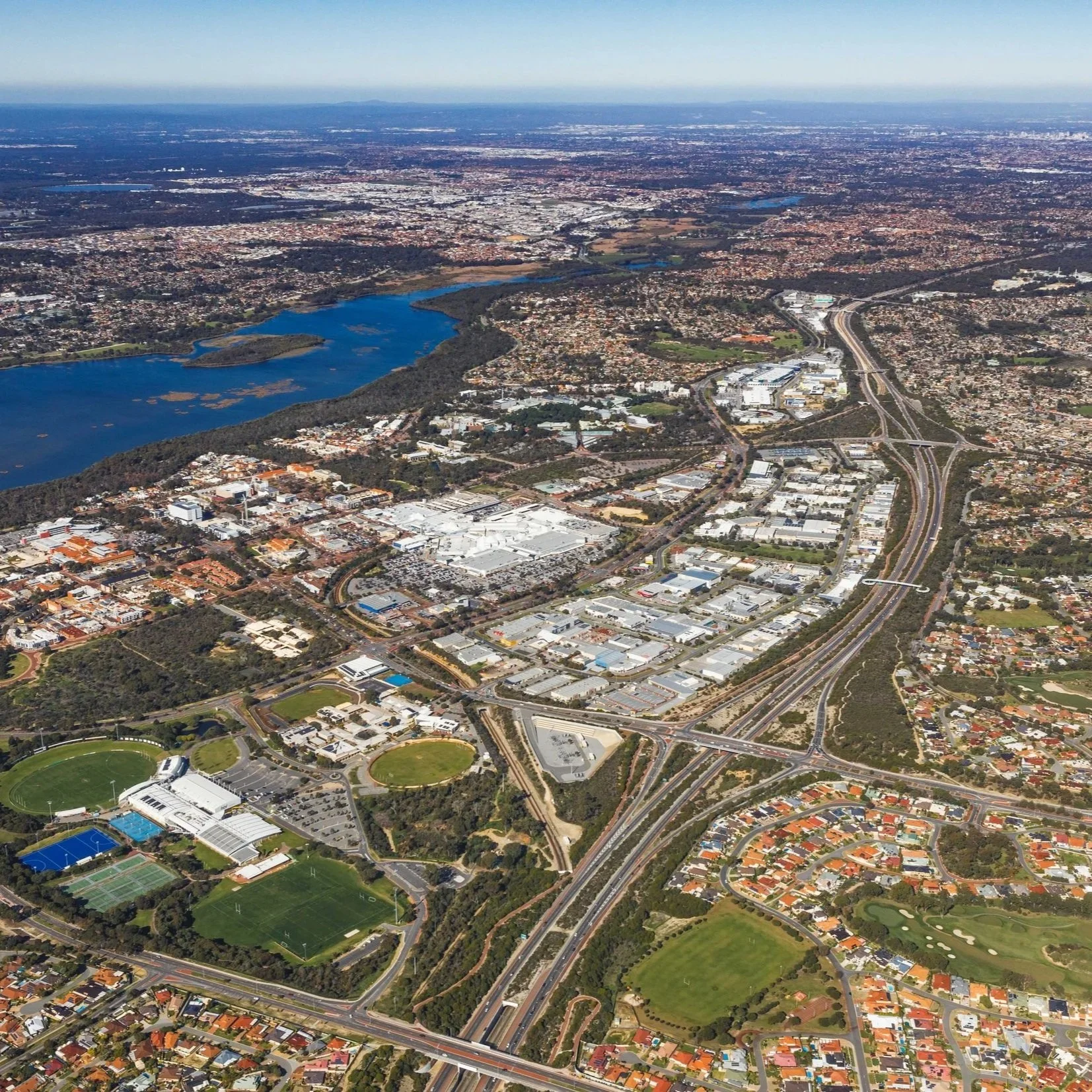
Joondalup | Greater Perth
Joondalup sits approximately 21 kilometres north of Perth and stretches along a long coastal corridor including Hillarys, Mullaloo and Burns Beach. The area combines major shopping, health facilities and rail access with strong beach appeal. Rents have increased sharply, indicating pressure in the rental market and limited availability. Stock levels sit close to three months, which is nearer to balanced conditions. For overseas buyers, renting first remains common, but tighter rental markets can influence how quickly households consider buying.
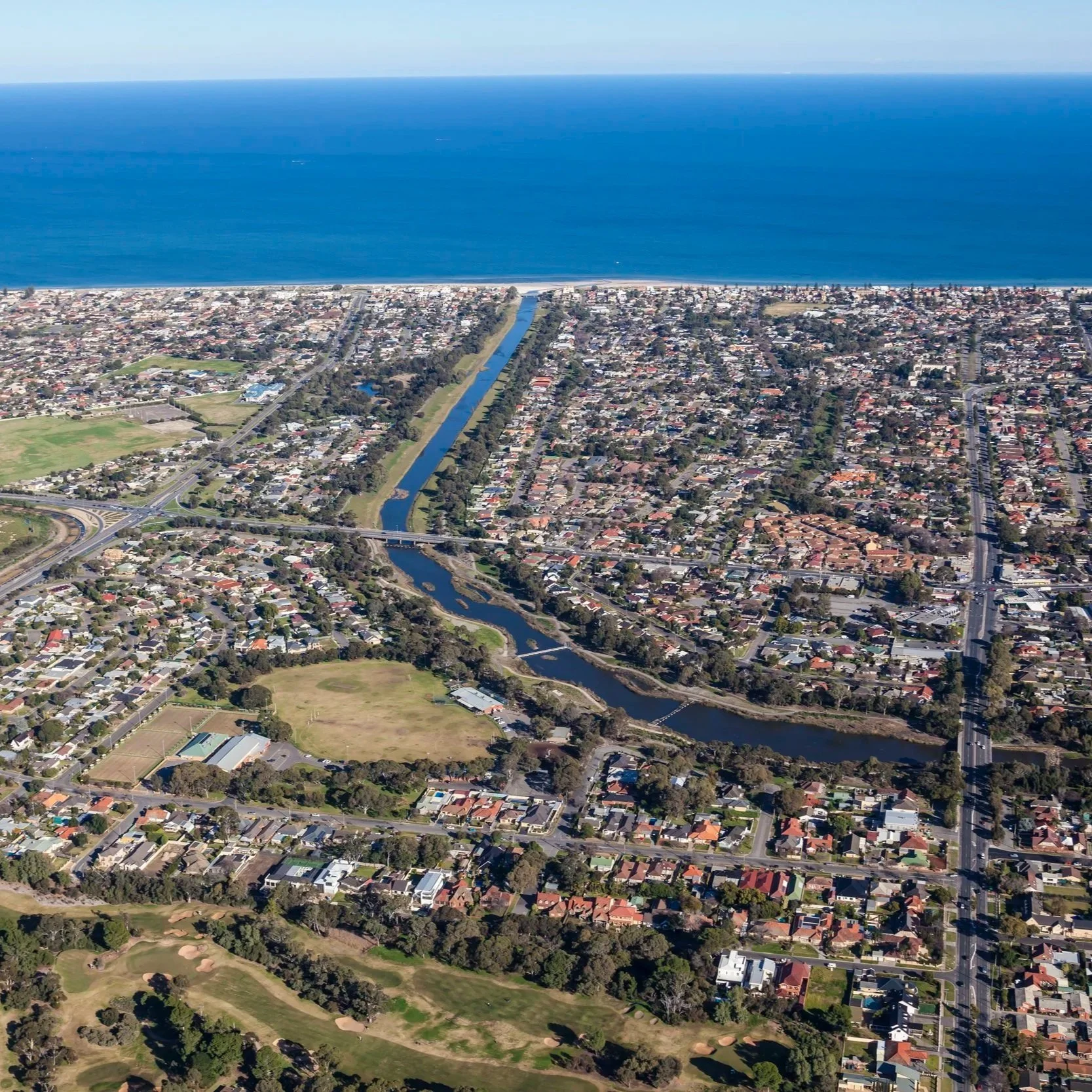
West Torrens | Greater Adelaide
West Torrens is located about six kilometres from Adelaide’s CBD and includes coastal areas such as West Beach, close to the airport and major employment hubs. Beaches here are accessible and well serviced, appealing to professionals and families. Rental growth has been more modest than in some other coastal markets, though demand remains steady. Stock levels are just under three months, indicating broadly balanced conditions. This gives overseas buyers a practical window to rent locally while assessing buying options without facing extreme competition
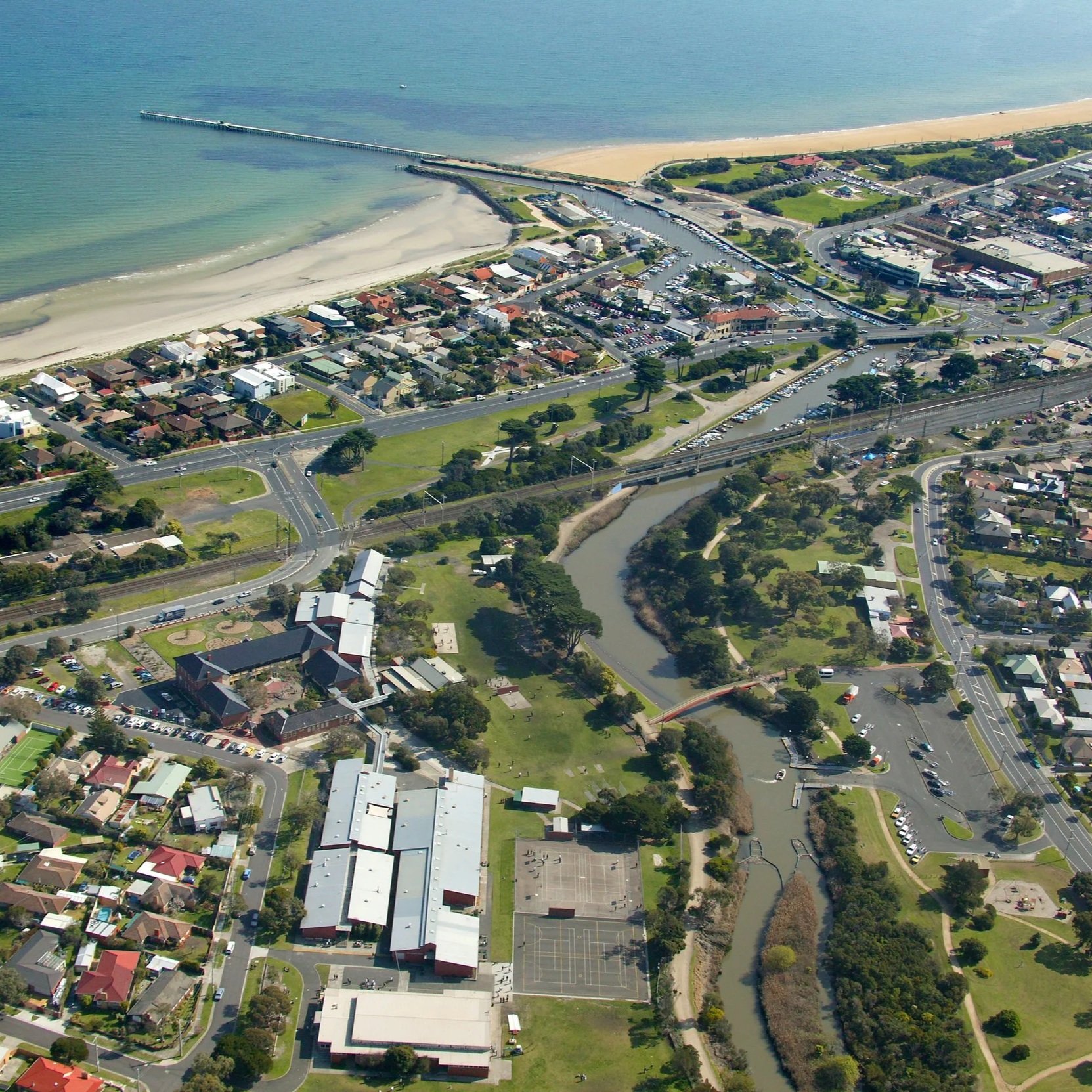
Kingston | Greater Melbourne
Kingston stretches along Melbourne’s south-eastern bayside and includes popular beaches such as Mordialloc, Chelsea and Aspendale, around 24 kilometres from the CBD. These are established swimming beaches with strong café and retail strips and reliable rail access. Rents have risen over the past year, signalling increasing pressure for tenants. Stock levels sit just above two months, which can make buying more competitive, particularly for well-located homes. Renting first is common, but tighter conditions may shorten the rental phase for some buyers.
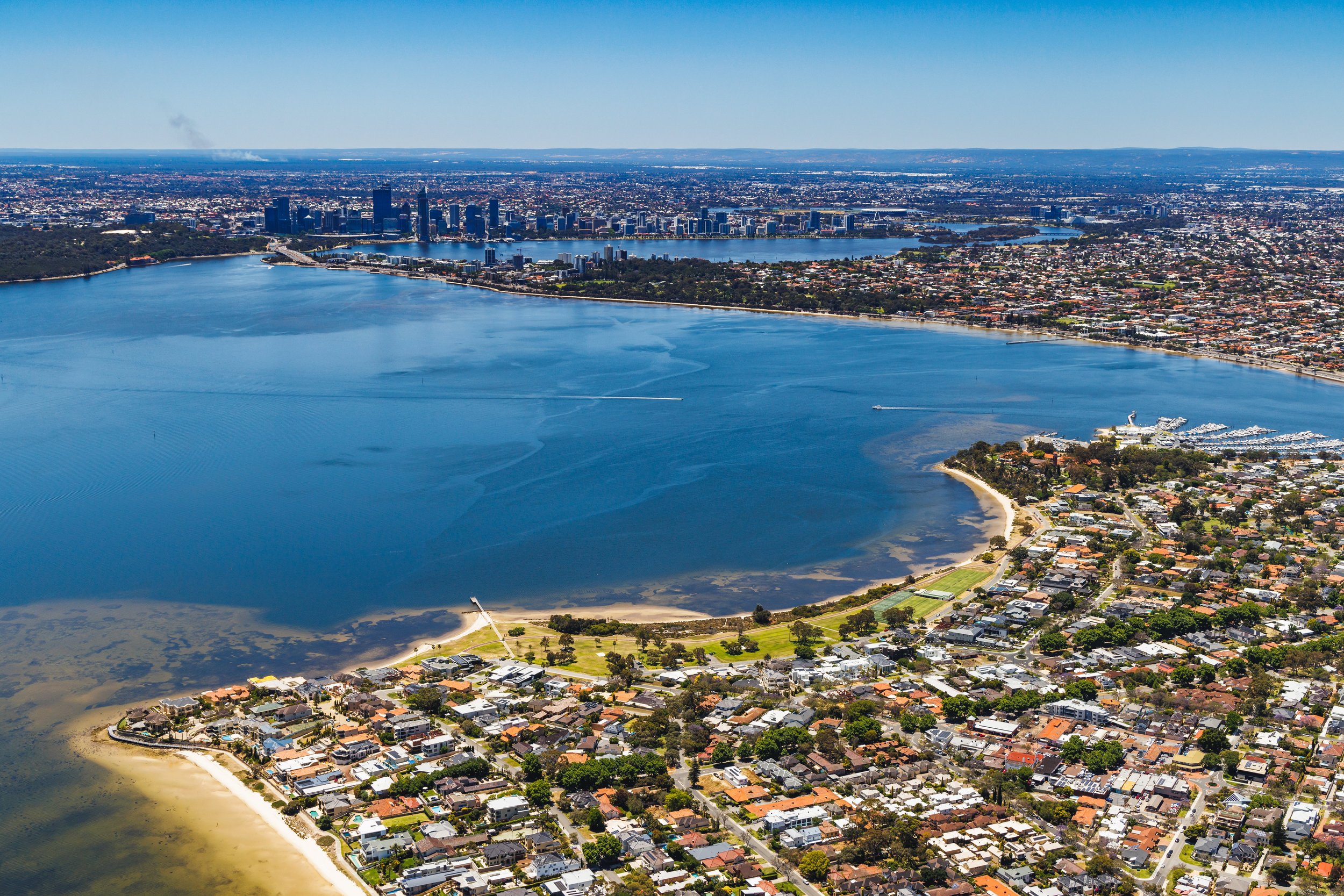
Melville | Greater Perth
Melville is around 11 kilometres south of Perth’s CBD and is oriented around river access and proximity to Fremantle’s beaches rather than direct ocean frontage. The area benefits from universities, hospitals and established transport links. Rental prices have increased strongly, reflecting sustained demand and limited availability. Stock levels are close to six months, which generally favours buyers and reduces near-term price pressure. For overseas buyers, this creates a clearer trade-off: rental competition in the short term, but more negotiating power when buying.
Holdfast Bay | Greater Adelaide
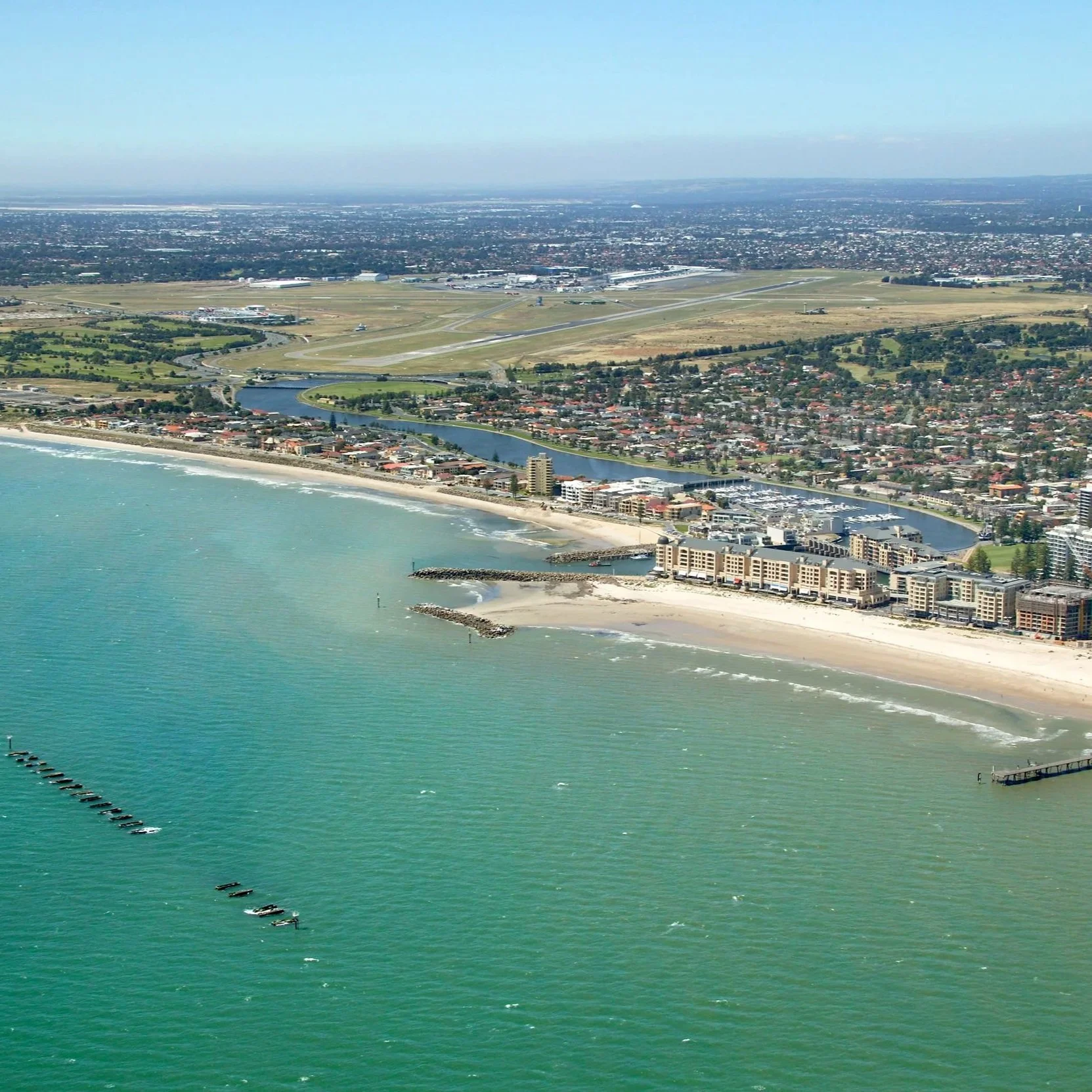
Holdfast Bay includes some of Adelaide’s best-known beach suburbs, such as Glenelg and Brighton, around 11 kilometres from the CBD. These beaches are highly accessible, supported by tram links, dining and tourism infrastructure. Rental prices have risen modestly, indicating ongoing demand but not extreme pressure. Stock levels sit just under four months, closer to balanced conditions. For overseas buyers, renting first remains viable, while the buying market currently offers more stability than tighter inner-city coastal locations.