
Top 10 Growth Areas 2026
The ten areas highlighted here represent broad local housing markets made up of multiple neighbouring suburbs. Buyers rarely search suburb by suburb in isolation; instead, they compete across clusters of suburbs that share similar prices, travel times and amenity. Looking at these markets together allows us to observe how buyer demand, seller behaviour and affordability are interacting right now.
At the more accessible end of the price range, Frankston and Lake Macquarie – East stand out for how quickly homes are selling relative to recent months. In Frankston, the typical time it takes to sell a home has shortened noticeably over the past quarter. Fewer days on market usually means buyers are making decisions more decisively, either because well-priced homes are attracting multiple inspections or because sellers are setting more realistic expectations. Stock levels are also relatively low, meaning there are not many comparable homes available at any one time. That can make the buying process more competitive, even though affordability is already stretched at just over eight years of household income for the median home.
Lake Macquarie – East shows a similar pattern, though at a higher price point. Homes are selling within roughly a month, and long-term price growth has been stronger than many capital-city averages over the past decade. However, its distance from major CBD employment centres means buyer demand is more closely tied to local jobs, transport connections and lifestyle preferences, particularly for households weighing longer commutes against coastal amenity.
Middle-ring Melbourne markets such as Knox and Whitehorse – East present a steadier profile. Selling times here have barely shifted in recent months, and the amount of stock on the market sits closer to what buyers would recognise as balanced conditions. These areas tend to attract owner-occupiers looking for space, schools and established infrastructure rather than short-term market timing. Historically, this has translated into slower but more stable price movements, especially during periods of higher interest rates.
In Sydney, Blacktown and Sutherland – Menai – Heathcote currently have some of the tightest supply conditions in the dataset. In practical terms, this means buyers have fewer properties to choose from at any given time. However, both areas also show elevated affordability pressures, which acts as a natural brake on how far competition can extend. When borrowing capacity is stretched, tight supply does not automatically translate into rapid price movement.
At the higher end of the market, Port Phillip, Carlingford, Botany and Eastern Suburbs – South operate under different constraints. These markets combine high entry prices with relatively short selling periods, suggesting that transactions are occurring, but within a narrower pool of buyers. Low rental returns and high income multiples indicate that activity here is driven more by lifestyle choice, long-term ownership and accumulated equity than by incremental shifts in demand.
Across all ten areas, the data points to markets that are active but constrained. Shorter selling times and limited choice can increase competition, but affordability, income growth and lending conditions remain the dominant forces shaping outcomes for home buyers deciding where — and how confidently — to act.

Frankston | Greater Melbourne
Frankston sits at the more affordable end of Melbourne’s metropolitan market, with a median price still well below many middle-ring suburbs. Homes here are selling faster than they were three months ago, suggesting buyers are acting decisively when well-priced stock appears. There are relatively few properties available at any one time, which can make choice limited for buyers. At the same time, affordability is already stretched, meaning borrowing capacity remains a constraint. Frankston’s appeal continues to rest on its mix of coastal lifestyle, rail access and proximity to major employment corridors.
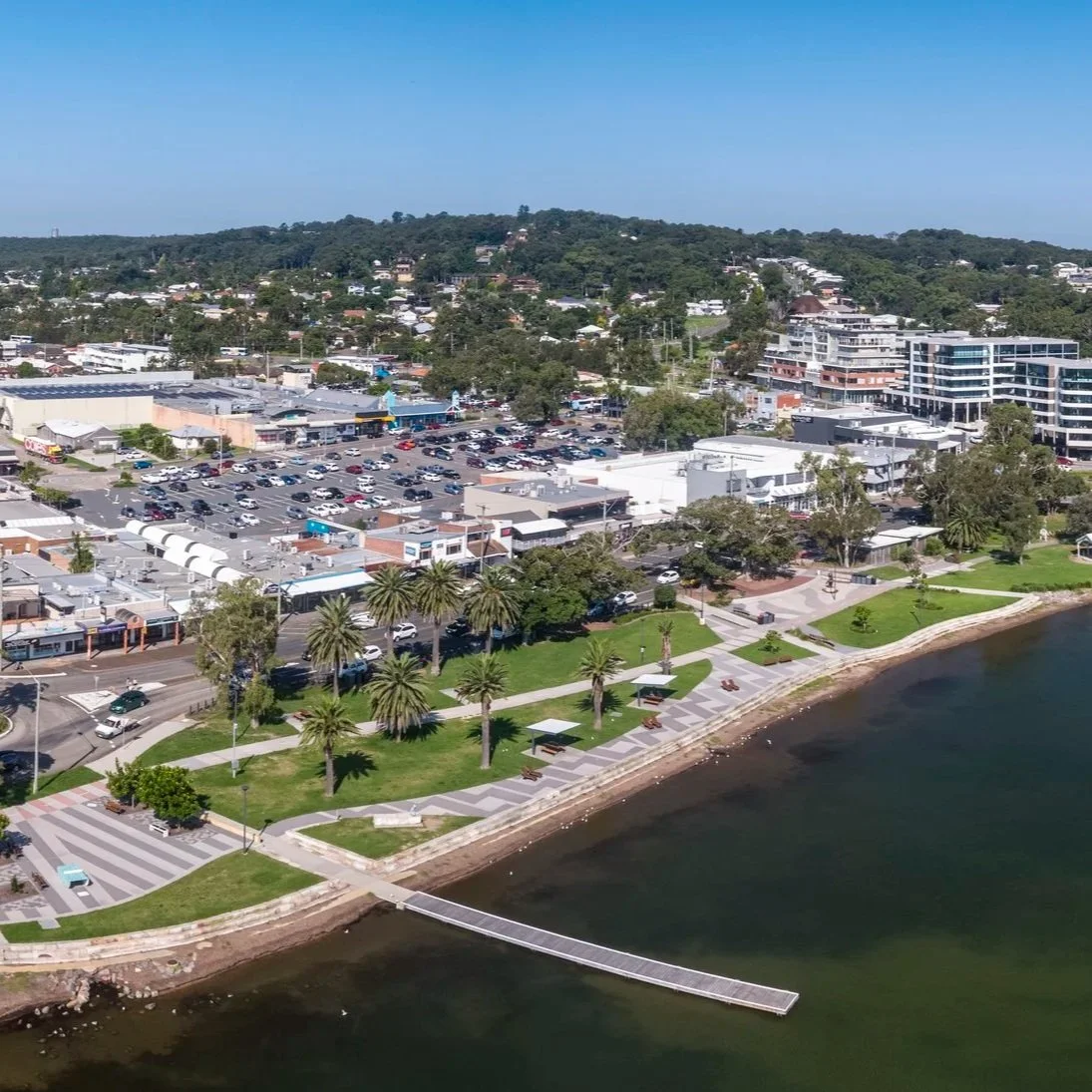
Lake Macquarie – East | Rest of NSW
Lake Macquarie – East covers a large coastal and lakeside area anchored between Newcastle and the Central Coast. Homes are selling within about a month, and long-term price growth has been strong compared with many regional markets. Stock levels are not excessive, but buyers should be mindful that distance from major CBDs shapes demand here more than headline price movements. Lifestyle factors, including access to beaches and the lake, play a central role in buyer decisions, particularly for households balancing affordability against commute times.
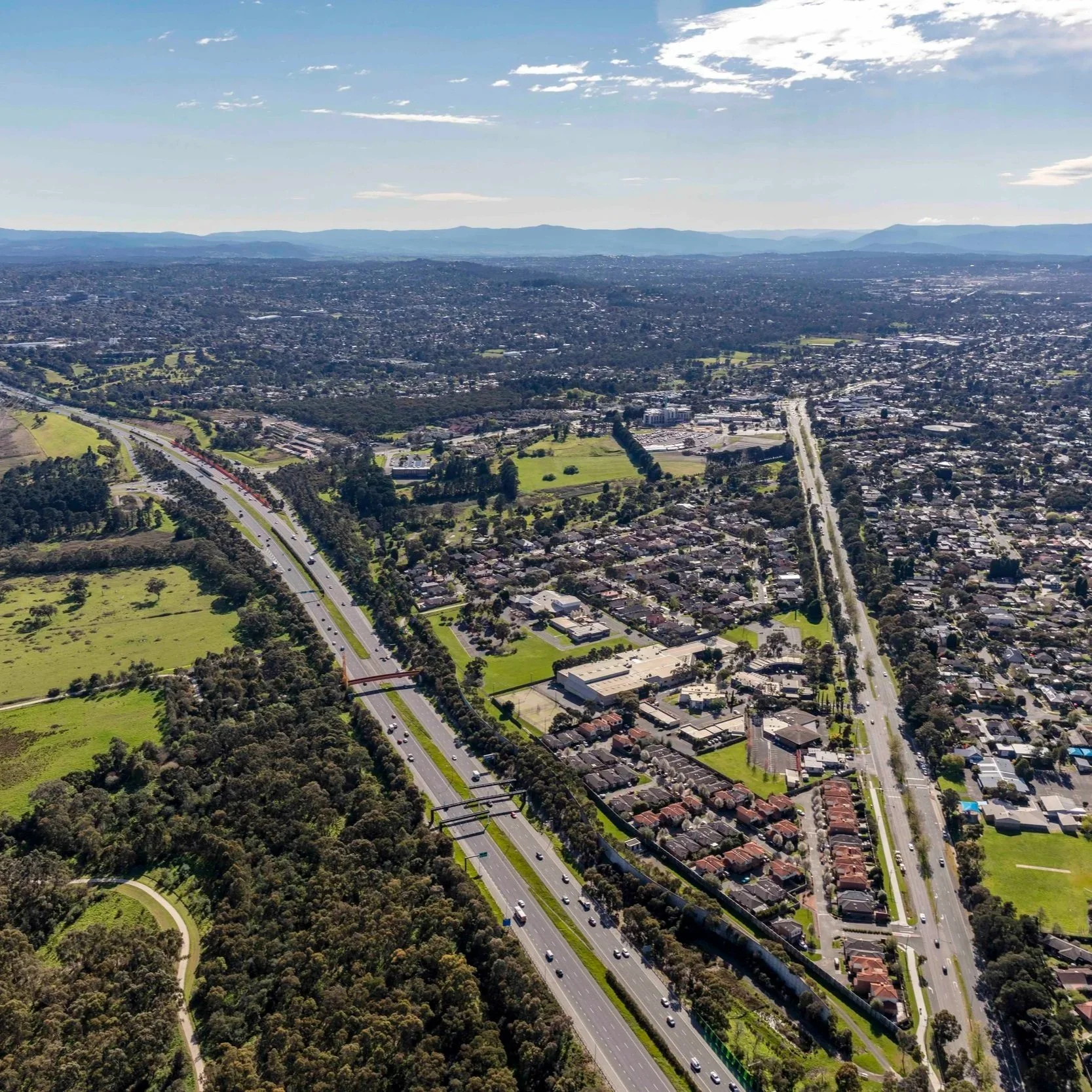
Knox | Greater Melbourne
Knox represents a well-established outer-eastern Melbourne market made up largely of family-oriented suburbs. Selling times are steady and inventory levels sit close to balanced, suggesting neither buyers nor sellers hold a clear advantage. Prices are materially higher than Melbourne’s outer fringe, but well below inner-city levels. Historically, markets like Knox tend to move more gradually, with demand linked to schooling, green space and transport access rather than short-term market shifts. For buyers, conditions currently point to measured competition rather than urgency.
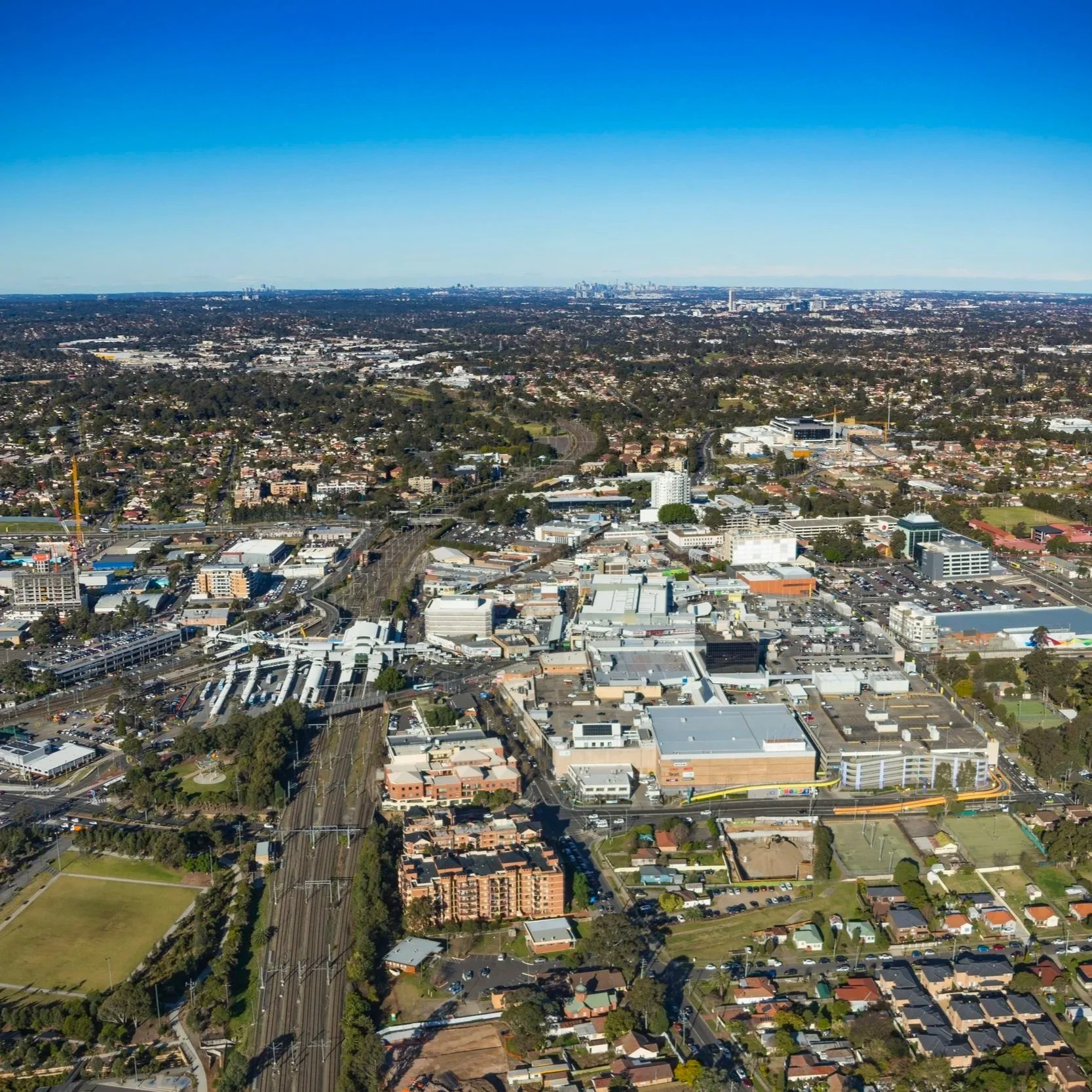
Blacktown | Greater Sydney
Blacktown remains one of Sydney’s key western family markets, combining relatively high prices with some of the tightest supply conditions in this list. Buyers currently face limited choice, with homes selling faster than they did three months ago. However, affordability is already stretched, which naturally limits how far competition can extend. Blacktown’s long-term appeal is closely tied to employment access, infrastructure investment and household formation, rather than speculative activity. Buyers here need to balance speed with discipline, particularly around price expectations.
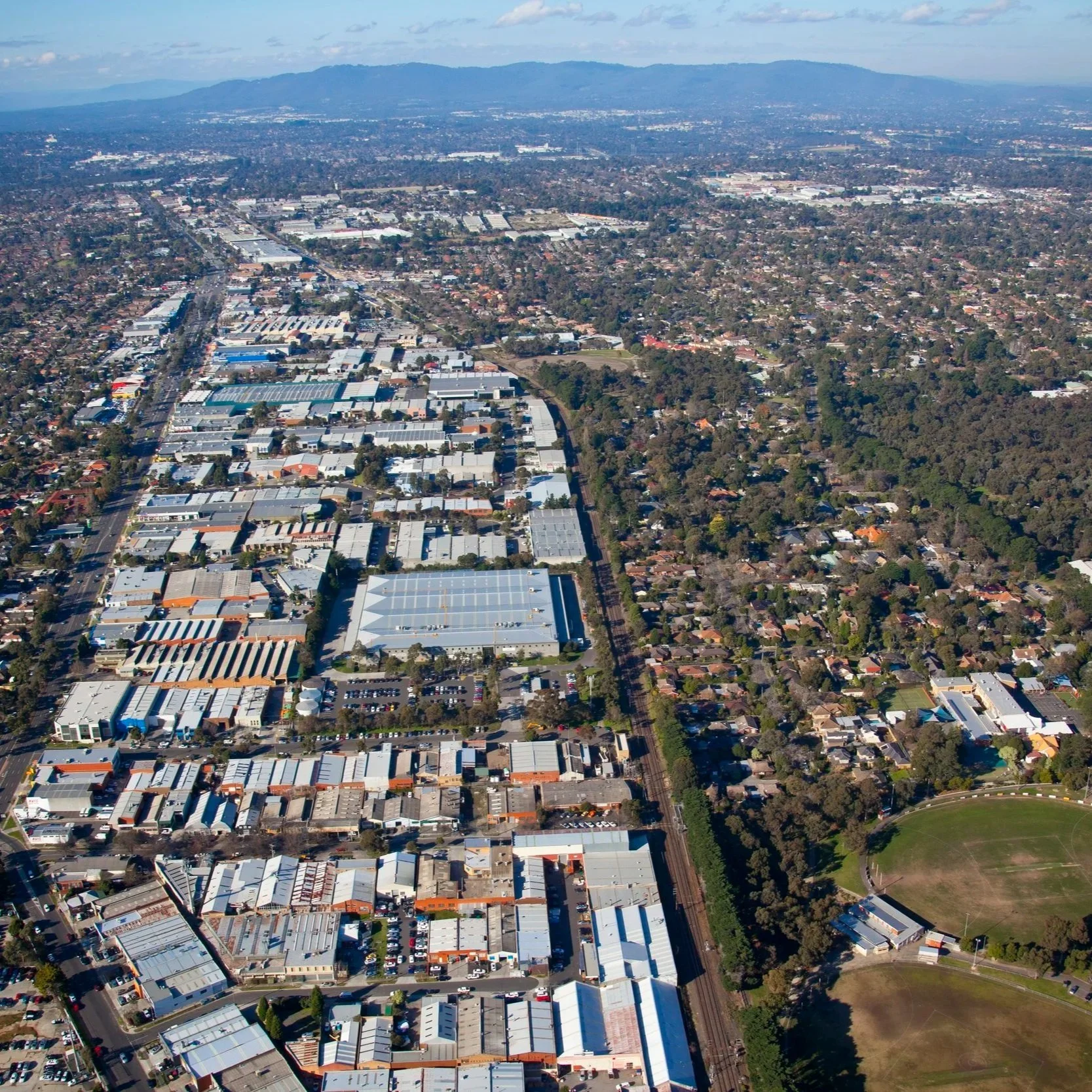
Whitehorse – East | Greater Melbourne
Whitehorse – East sits firmly in Melbourne’s middle ring, offering established suburbs with strong transport links and schooling options. Selling times have remained stable, and stock levels suggest relatively balanced conditions. Prices are higher than outer-ring alternatives, but the market tends to attract owner-occupiers rather than short-term buyers. Historically, this part of Melbourne has shown slower but steadier price movements, particularly during periods of tighter credit. For buyers, the current environment favours preparation and patience rather than rushed decision-making.
Port Phillip | Greater Melbourne
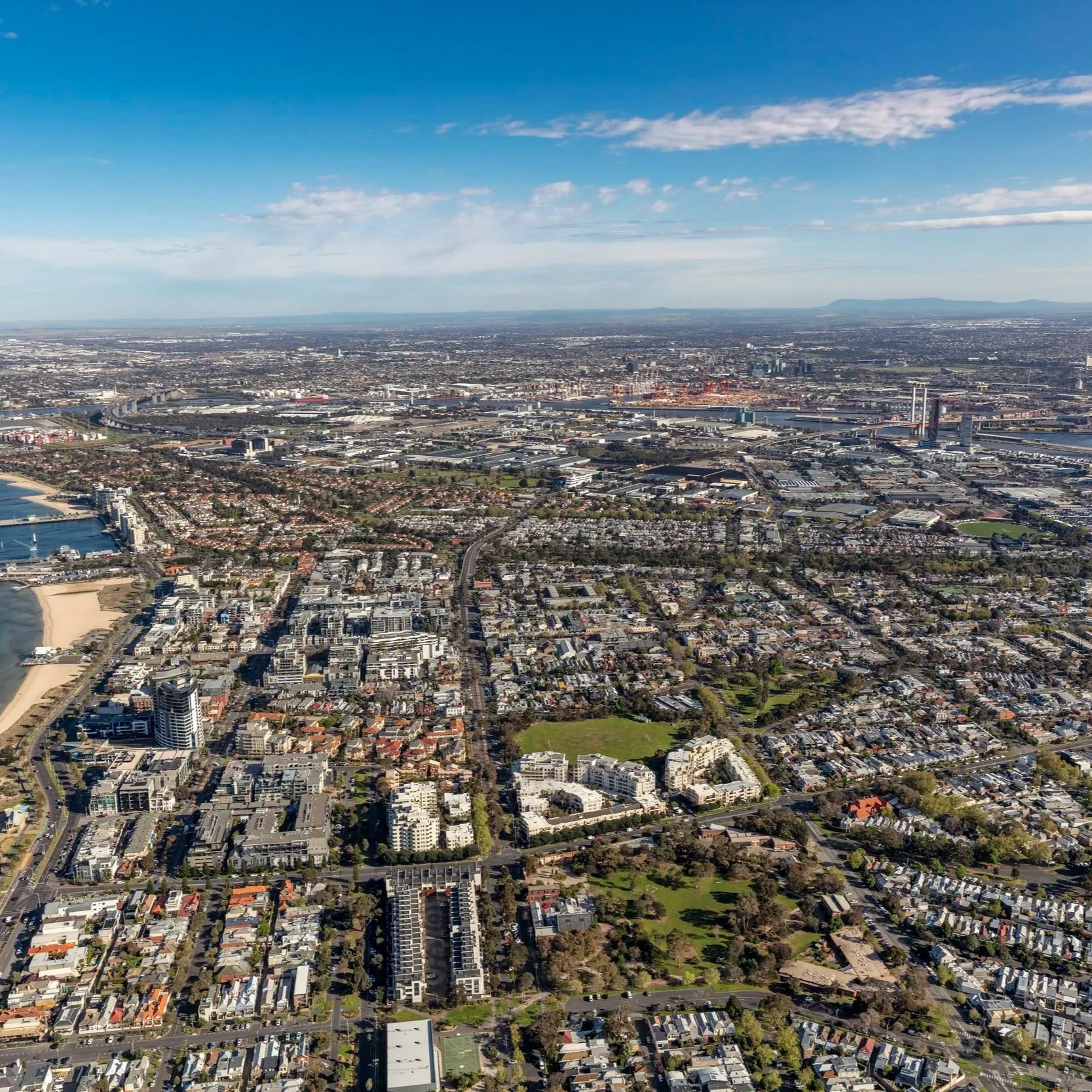
Port Phillip is an inner-bayside market where proximity to the CBD and coastal amenity underpin long-term demand. Despite very high prices, homes continue to sell without prolonged delays, indicating that transactions are occurring within a well-defined buyer pool. Rental returns are low, and affordability is stretched, reinforcing that this is primarily a lifestyle and long-term ownership market. Conditions here tend to be less sensitive to short-term shifts, but buyers should expect competition for quality homes rather than broad-based activity.
Sutherland – Menai – Heathcote | Greater Sydney
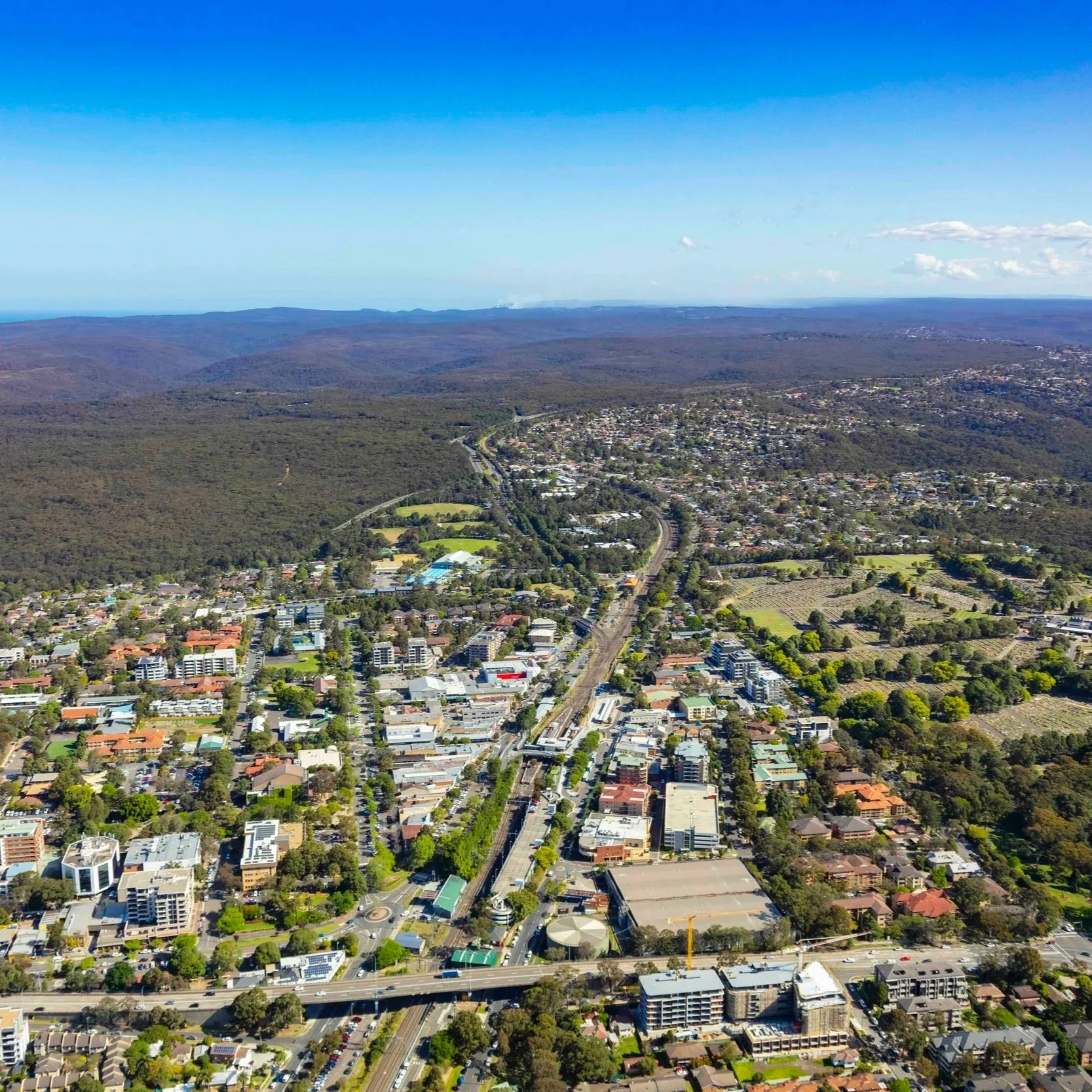
This southern Sydney market combines established suburbs with access to bushland, national parks and rail links into the city. Homes are selling slightly faster than earlier in the year, and the number of properties available remains limited. At the same time, affordability metrics indicate that buyers are already carrying significant borrowing loads. As a result, market conditions are shaped as much by lending constraints as by supply. Buyers are typically long-term owner-occupiers prioritising lifestyle and stability.
Carlingford | Greater Sydney
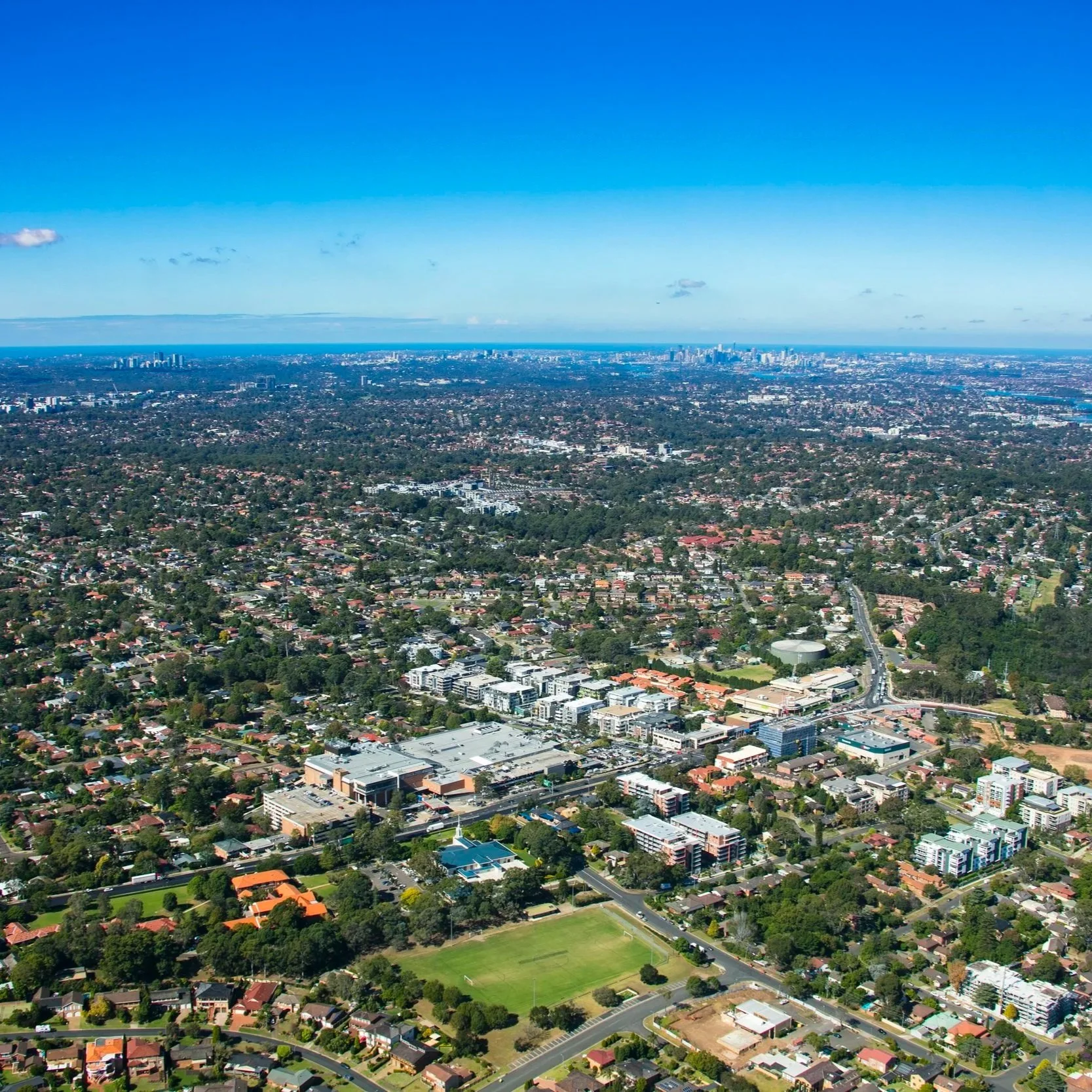
Carlingford sits within Sydney’s north-western employment and education corridor, with prices reflecting strong long-term demand. Selling times have edged higher recently, and stock levels are closer to balanced than in many other Sydney markets. Affordability pressures are pronounced, meaning buyer activity is concentrated among higher-income households and equity-rich movers. While the area benefits from transport upgrades and established amenities, buyers should expect negotiation and selectivity to remain part of the purchasing process.
Botany | Greater Sydney
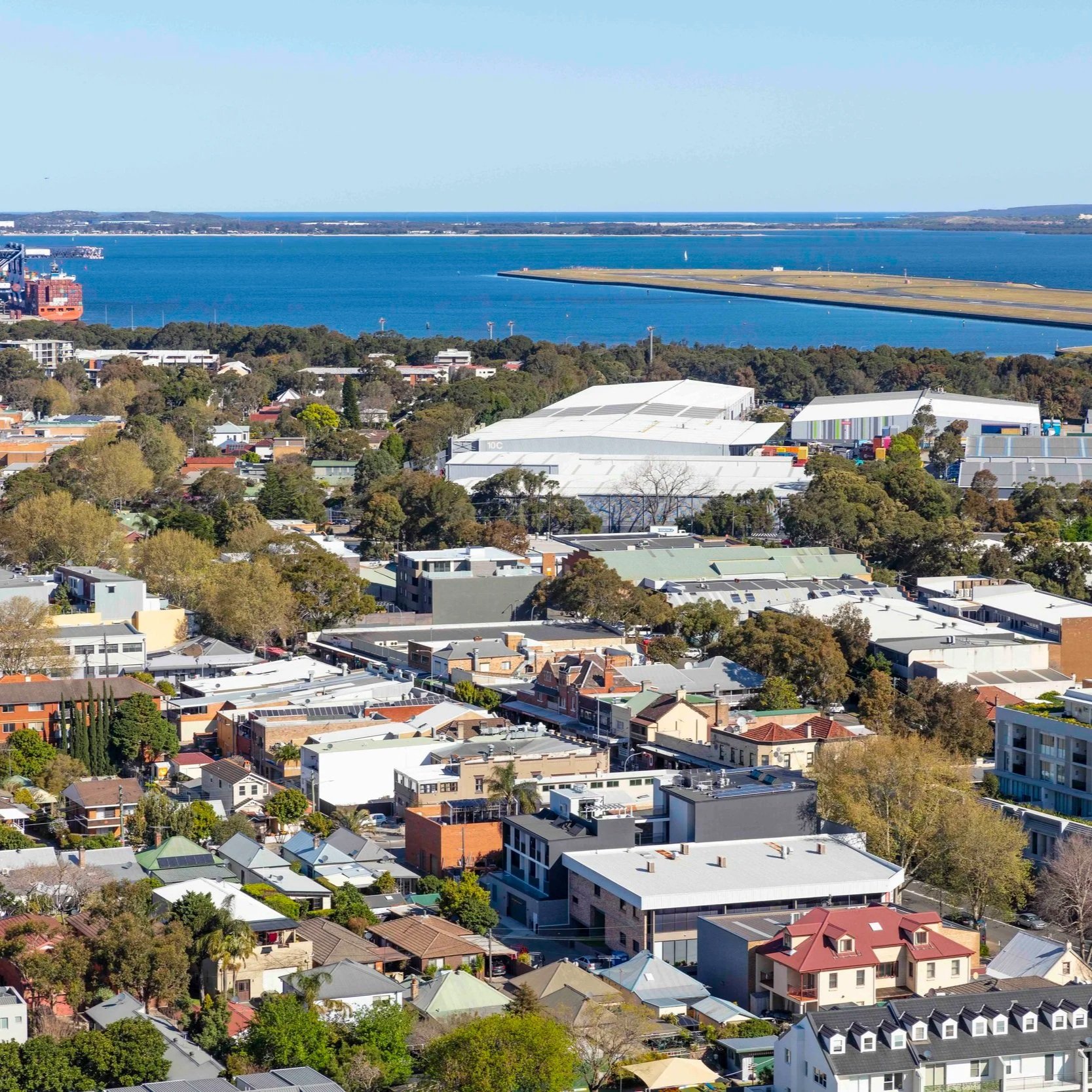
Botany is a tightly held inner-southern Sydney market, close to the CBD, beaches and major employment hubs. Homes here are selling faster than they were a quarter ago, despite already high prices. Limited stock and strong location appeal contribute to competition, but affordability and low rental returns narrow the active buyer pool. Transactions tend to reflect lifestyle-driven decisions rather than short-term market timing. Buyers should focus on property quality and long-term suitability rather than headline indicators alone.
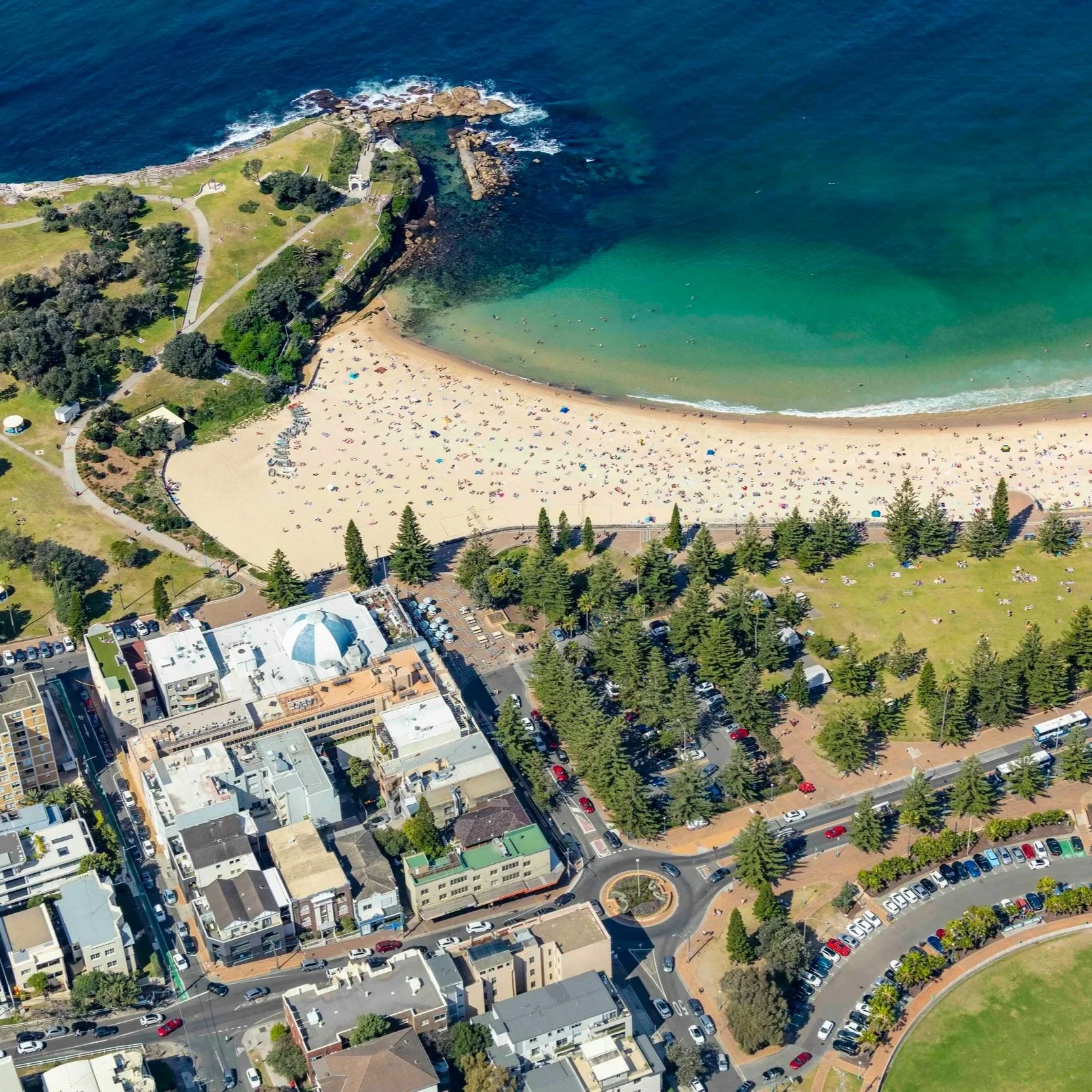
Eastern Suburbs – South | Greater Sydney
Eastern Suburbs – South represents one of Sydney’s most expensive and tightly constrained housing markets. With very limited stock and short selling times, competition can be intense for desirable homes. However, extremely high entry prices mean the pool of buyers is inherently limited. Demand here is shaped by proximity to beaches, hospitals, universities and the CBD, rather than affordability metrics. For buyers, this is a market where preparation, funding certainty and long-term intent matter far more than short-term market signals.